
Drenovskii fritillary
Fritillaria drenovskii
Description
Growing requirements
Fritillaria drenovskii is a perennial bulbous plant belonging to the Liliaceae family. It is an endemic species native to the mountainous regions of the Balkan Peninsula, primarily found in Bulgaria and Greece.
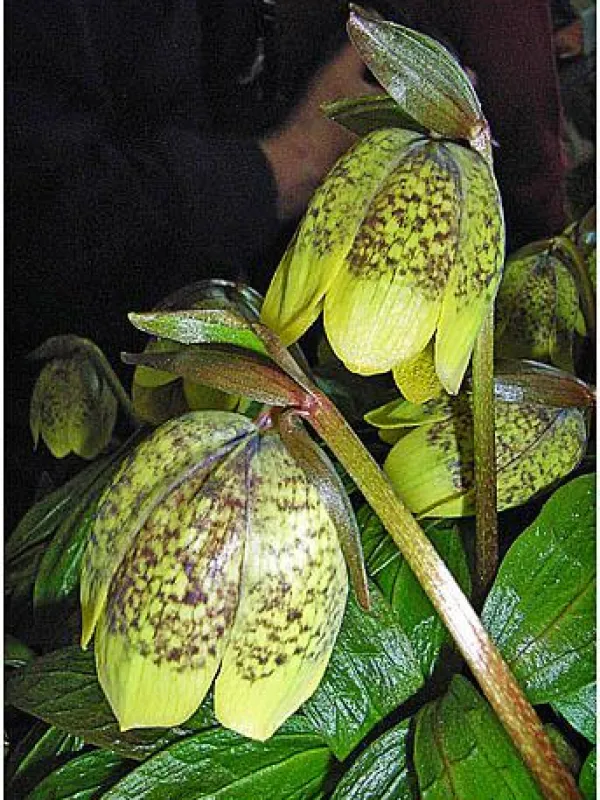
Botanically, the plant is characterized by slender stems and nodding, bell-shaped flowers that display a unique mix of dark purple and brownish-yellow tones, reflecting its adaptation to specialized microclimates.
In terms of cultivation, the species requires extremely well-drained soil, preferably a sandy or stony loam. In heavy clay soils, it is mandatory to incorporate grit to prevent water stagnation, which is the primary cause of bulb rot.
The plant thrives in Mediterranean-style conditions, requiring a period of heat and relative drought during the summer dormancy phase. Sufficient light exposure during the spring growth stage is essential for successful annual flowering.
Proper moisture management is critical; while the plant needs moisture in spring, it must remain relatively dry during the summer. Adding a layer of mulch in winter is recommended only in colder zones to protect against extreme temperature fluctuations.
Main diseases and pests
The species is highly susceptible to fungal infections caused by poor drainage and excessive soil moisture during the dormant summer period.
Bulb rot (Botrytis and various Fusarium species) remains the most common threat, often destroying the plant before the next growth season.
The lily beetle (Lilioceris lilii) is the primary insect pest, known to rapidly defoliate the plant, which severely weakens the bulb's energy reserves.
Rodents may occasionally feed on the bulbs during the winter, necessitating the use of protective planting cages in gardens with high pest pressure.
Preventative care relies on choosing a site with excellent air circulation and applying prophylactic fungicide treatments during the planting season.