
Caucasian fritillary
Fritillaria caucasica
Description
Sowing dates
Bulbs should be planted in late summer or early autumn. This allows the roots to establish themselves before the onset of winter dormancy, which is vital for spring vitality.
Planting depth should generally be three times the height of the bulb, typically ranging from 10 to 15 centimeters. Ensuring proper spacing is important to facilitate air circulation and minimize the spread of soil-borne pathogens.
Propagation through seeds is possible but requires a period of cold stratification. Seeds are typically sown in outdoor containers in autumn to mimic the natural freezing and thawing cycles of the native mountain habitat.
Vegetative propagation via offsets is the standard method for garden cultivation. Bulbs should be divided every few years during the dormant summer period to prevent overcrowding and maintain plant vigor.
A layer of mulch can be applied to the planting site to protect against extreme temperature fluctuations. However, it must be removed in early spring to prevent excess moisture around the emerging foliage.
Growing requirements
The Caucasian fritillary (Fritillaria caucasica) is a bulbous perennial belonging to the Liliaceae family. As an ephemeral plant, it completes its growing cycle during the early spring, taking advantage of the moisture and light before the canopy closes.
Originating from the Caucasus Mountains and adjacent regions, it is natively adapted to rocky slopes and alpine meadows. This heritage makes it an ideal candidate for rock gardens and well-drained decorative landscapes.
The plant requires loose, well-draining soil with a neutral to slightly alkaline pH. Drainage is a critical factor for long-term survival, as stagnant water is the primary cause of bulb rot in this species.
Regarding climate, it prefers temperate zones with cool, moist springs and relatively dry summers. While it appreciates sunny positions, it can tolerate partial shade, especially during the hottest parts of the day.
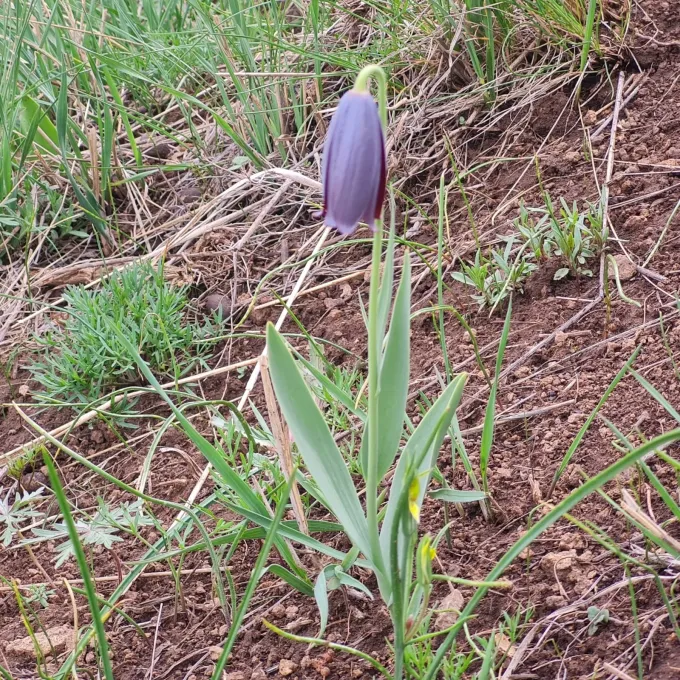
Botanically, it is characterized by its nodding, bell-shaped flowers with distinct deep color patterns. Its compact growth habit makes it a favorite among collectors of alpine flora.
Main diseases and pests
Fungal diseases, specifically Fusarium and Botrytis species, are the most frequent threats. These often result from poor soil structure or overwatering, necessitating strict moisture control.
The lily leaf beetle (Lilioceris lilii) is a major pest that can severely defoliate the plant. Regular monitoring and the application of appropriate insecticides during the active growing season are essential for management.
Rodents such as voles may consume the bulbs during winter. To mitigate this risk, gardeners often use wire mesh baskets or protective netting during the initial planting phase.
Viral infections may occur, showing as leaf mottling or growth stuntedness. Such plants should be promptly identified and removed from the cultivation area to prevent the spread of the virus to healthy bulbs.
Good agricultural practice, including bulb disinfection before planting and site rotation, is the best strategy for preventing disease outbreaks and ensuring high horticultural quality of the plants.