
Carian fritillary
Fritillaria carica
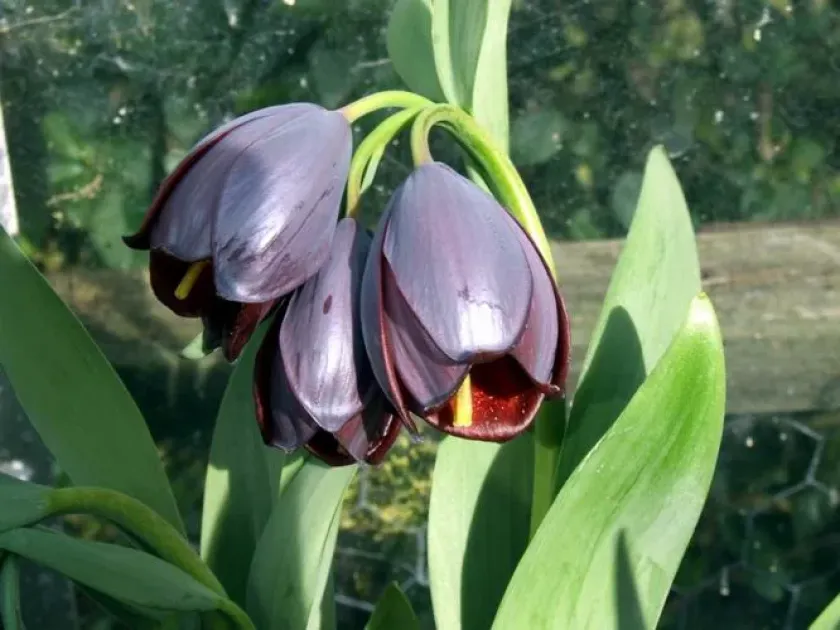
Description
Growing requirements
The Carian fritillary (Fritillaria carica) belongs to the Liliaceae family. This perennial bulbous plant is native to the regions of Turkey and the Aegean islands, thriving in specific Mediterranean conditions.
Successful cultivation requires well-drained, light, rocky, or sandy soils. The plant is extremely sensitive to excess moisture, especially during the summer dormancy period, where waterlogging can easily lead to bulb rot.
The species prefers sunny or semi-shaded locations typical of Mediterranean foothills. It is adapted to mild climates characterized by dry summers and cool, wet winters, which must be replicated in a garden environment for optimal growth.
In terms of agricultural techniques, the plant needs conditions that mimic its natural habitat. It is crucial to ensure good air circulation and eliminate competition from fast-growing weeds that might shade the low-growing shoots.
Biologically, the plant is distinguished by its small bell-shaped flowers, colored in greenish-yellow or brownish tones. Its life cycle is closely tied to seasonal precipitation, with growth initiating in early spring.
Main diseases and pests
The primary threats to Fritillaria carica are fungal bulb diseases, typically caused by Fusarium or Botrytis pathogens, which become active when soil moisture levels are too high.
Among the pests, the lily beetle (Lilioceris lilii) and various soil-dwelling nematodes are the most damaging. The lily beetle can quickly devastate the foliage and flower buds during the active growing season.
Disease prevention involves the mandatory disinfection of planting material prior to sowing. It is recommended to apply systemic fungicides at the first sign of leaf infection to protect the bulbs.
Pest management relies on broad-spectrum insecticides and manual collection of beetles during the peak growth period. Practicing crop rotation and avoiding planting in the same spot for more than 3–4 years minimizes infection risk.
Improper watering regimes during summer dormancy often result in physiological decline. Providing a dry summer period is a critical factor in maintaining the long-term health of the plant population.