
Bukhara fritillary
Fritillaria bucharica
Description
Growing requirements
Bukhara fritillary (lat. Fritillaria bucharica) is a bulbous perennial plant belonging to the Liliaceae family. It is native to the rocky, arid mountain slopes of the Pamir-Alay range in Central Asia, where it has evolved to thrive in high-altitude environments.
The climate requirements for this species include well-defined seasonal changes. It demands a cool, moist spring for its rapid growth and bloom, followed by a warm, dry summer period, which is essential for the bulb to undergo dormancy and store energy for the next year.
Soil composition is critical for the success of this crop. Ideally, the soil should be loose, stony, or sandy, mimicking the natural scree habitats. It must have excellent drainage, as waterlogging will inevitably lead to bulb rot and the loss of the plant.
Regarding agrotechnical practices, planting should occur in autumn at a depth of about 10–12 cm. Adding a layer of coarse sand at the bottom of the planting hole is highly recommended to improve drainage and create a barrier against soil-borne pathogens.
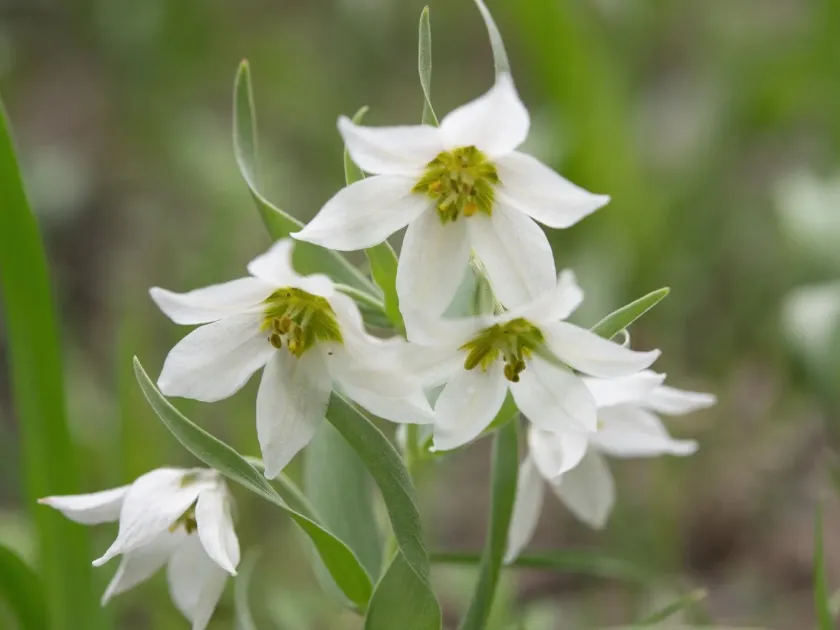
In terms of utilization, this species is highly valued in ornamental horticulture for its elegant, bell-shaped, cream-white flowers. It is an excellent choice for rock gardens and naturalistic plantings that require low maintenance and a unique aesthetic appeal.
Main diseases and pests
The primary threats to Fritillaria bucharica are fungal diseases, particularly those caused by excess moisture. Botrytis blight and various types of basal rot are common problems that can destroy a stand if drainage and air circulation are not adequate.
Insects, particularly the lily beetle (Lilioceris lilii), pose a significant threat during the spring growth phase. These insects can cause severe defoliation, which depletes the bulb and prevents the plant from flowering effectively in subsequent years.
Preventive measures include the inspection of bulbs before planting and the use of fungicide dips to reduce the risk of infection. Furthermore, keeping the area around the plants weed-free reduces humidity and helps prevent the buildup of pathogens.
Rodents, such as voles and mice, are also a major concern, as they often consume the nutrient-rich bulbs during the dormant season. Protecting the planting area with wire mesh or cages is a standard practice for regions with a high rodent population.
Regular monitoring of the site throughout the growing season allows for early intervention. Removing and destroying any infected plant parts immediately is crucial to stop the spread of disease within the crop area and maintain plant health.