
Spotted fritillary
Fritillaria atropurpurea
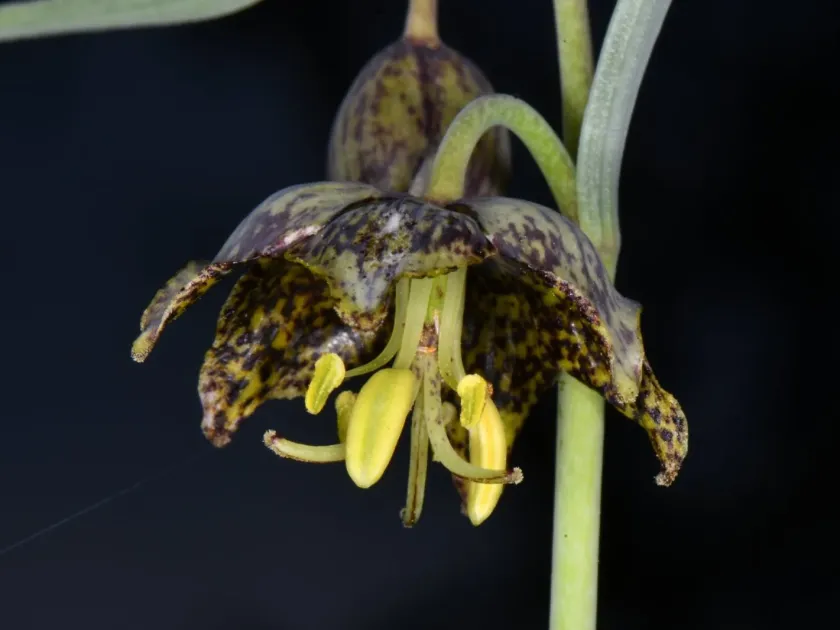
Description
Growing requirements
The spotted fritillary (Fritillaria atropurpurea) is an herbaceous perennial plant belonging to the Liliaceae family. Native to the western regions of North America, this species is naturally adapted to rugged environments, including rocky slopes, meadows, and open woodlands where soils are typically well-drained.
Successful cultivation of this crop depends heavily on replicating its native soil conditions. The plant requires a porous, loose soil structure that facilitates excellent drainage. Soils prone to compaction or waterlogging should be amended with organic matter and inorganic grit to ensure root health.
Environmental requirements for the spotted fritillary include a location with bright, filtered light or partial shade, mimicking the dappled sunlight of its natural woodland habitat. It is a hardy species, but it benefits significantly from mulch during seasonal transitions to regulate the soil temperature.
Standard agronomic practices for this crop focus on planting depth and site selection. Because the bulbs enter a dormant state after flowering, they must be situated in areas where the soil remains relatively dry during the hot summer months to prevent premature bulb rot.
In terms of agricultural and horticultural use, Fritillaria atropurpurea is primarily cultivated as a high-value ornamental plant. It is highly sought after by specialty nurseries and enthusiasts of native flora for inclusion in rock gardens and alpine beds due to its unique botanical features.
Main diseases and pests
The most significant threats to the spotted fritillary include soil-borne pathogens such as Pythium or Fusarium, which thrive in stagnant, wet soil conditions. Ensuring a robust drainage system is the primary agricultural defense strategy against these pathogenic diseases.
Pest management is centered on controlling the lily leaf beetle and other defoliating insects that can compromise the plant's ability to store energy for the next growing season. Regular scouting and immediate intervention with appropriate pesticides are essential for maintaining healthy, vigorous crops.