
Alfred's Fritillary
Fritillaria alfredae
Description
Growing requirements
Alfred's Fritillary (Fritillaria alfredae) is a perennial bulbous plant belonging to the Liliaceae family. Native to the mountainous regions of Turkey, this species is naturally adapted to rocky slopes and limestone-rich soils, making it an excellent choice for specialized garden environments.
The plant requires excellent drainage to thrive, as its bulbs are highly sensitive to moisture-related rot. In a cultivation setting, it is best suited for sunny locations that mimic its native alpine habitat, though light shade during the hottest part of the day can be beneficial.
Soil composition should be light and well-aerated with a neutral to slightly alkaline pH. Avoiding heavy, water-retentive clay is crucial for the survival of the bulbs during the winter dormancy period when they are most vulnerable to excessive humidity.
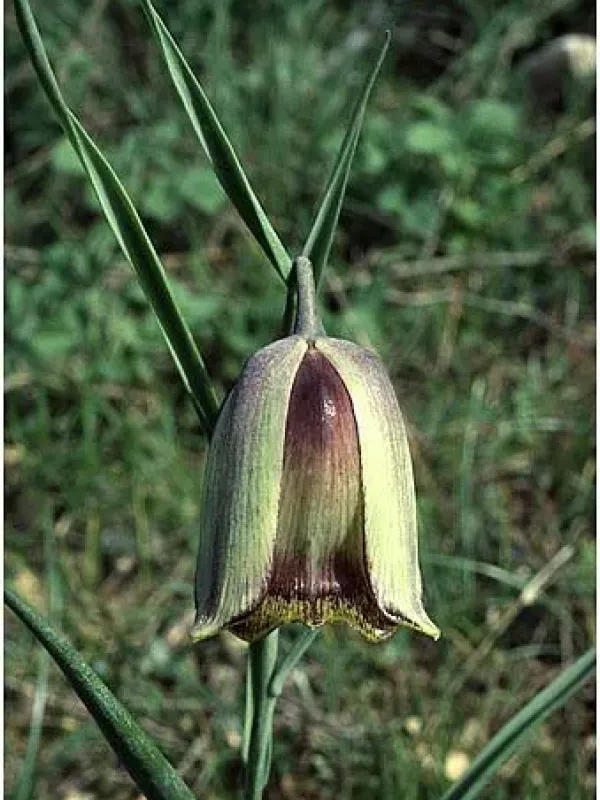
Botanically, Fritillaria alfredae is characterized by its distinct, often speckled bell-shaped flowers and slender, lanceolate foliage. Its life cycle consists of an active growth phase in spring, followed by a dormant period after flowering, during which the bulb stores nutrients for the next season.
In terms of usage, this plant is valued in decorative horticulture. It is frequently featured in rock gardens, scree beds, and alpine collections where its delicate structure can be appreciated. It is favored by enthusiasts for its rarity and distinct aesthetic qualities.
Main diseases and pests
The primary threats to Fritillaria alfredae are fungal pathogens, specifically those causing basal and bulb rot. These conditions are almost exclusively triggered by improper site selection where soil drainage is inadequate or seasonal rainfall is excessive.
Insect pests include the lily beetle, which can quickly defoliate the plant, and underground pests such as wireworms that target the bulbous structures. Rodents may also pose a problem by consuming the nutrient-rich bulbs during the dormant season.
Integrated pest management is recommended, starting with the selection of high-quality, disease-free bulbs. Pre-planting treatment with broad-spectrum fungicides can significantly reduce the risk of primary infections in the soil environment.
Cultural controls, such as removing debris and weeds around the base of the plant, help maintain good airflow and reduce the humidity levels that favor fungal growth. Careful monitoring during the rapid growth phase of spring is essential for timely intervention.
Chemical control should be employed only as a last resort. If insecticides are necessary for controlling beetle outbreaks, they should be applied precisely to minimize impact on beneficial pollinators that visit the flowers during the short blooming window.