
Mission bells
Fritillaria affinis
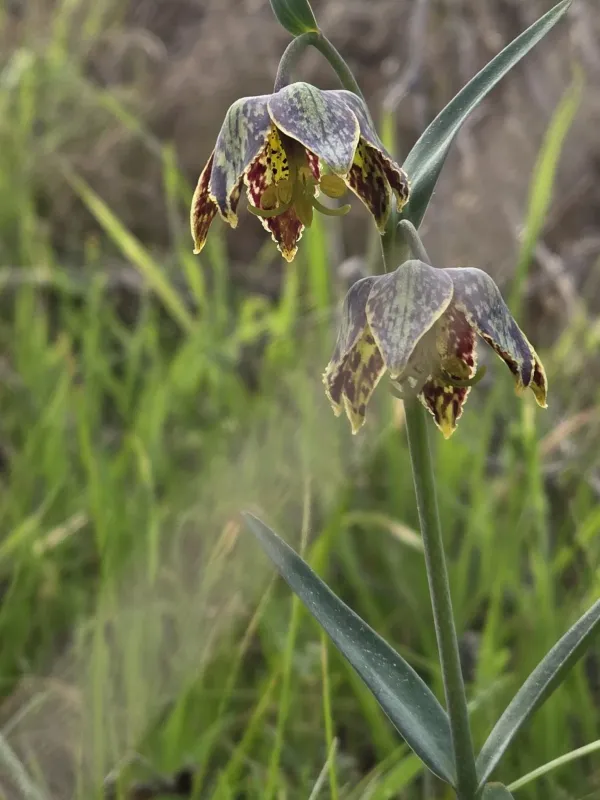
Description
Sowing dates
The planting of Fritillaria affinis bulbs should typically occur in the autumn months to allow for proper root development before the soil freezes.
Timing the planting for September or October ensures that the bulb establishes itself during the period of cooling soil temperatures.
Avoid planting too late in the season, as the root system needs sufficient time to mature to survive the upcoming winter dormancy.
The depth of planting depends on the size of the bulb, generally requiring a burial depth of 10 to 15 centimeters in well-prepared beds.
Proper spacing is essential during the planting phase to ensure that each plant has enough nutrients and access to airflow for disease prevention.
Growing requirements
As a member of the Lily family, Fritillaria affinis thrives in fertile, well-draining soil that remains consistently moist but never waterlogged.
Site selection is crucial, favoring locations that receive partial to full sun while being protected from harsh winds that could damage stems.
Good soil aeration is necessary to prevent the rot of the sensitive bulbs, especially in areas with heavier or more clay-based soil profiles.
Regular monitoring of moisture levels during the active growing season helps ensure consistent growth and supports vigorous flower development.
Fertilization with a balanced organic mix during the early spring can significantly improve the performance of the plant throughout its life cycle.
Main diseases and pests
Fungal diseases such as botrytis and bulb rot pose significant risks if the plant is grown in conditions with poor drainage or high humidity.
Pests like slugs and snails are commonly attracted to young sprouts and can cause extensive damage if not managed with proper barriers or traps.
Soil-dwelling larvae can feed on the bulbs underground, making it important to use preventative measures or insecticides if an infestation is detected.
Maintaining a clean growing environment by removing debris helps reduce the habitat for various pests and minimizes the accumulation of fungal spores.
If symptoms of disease appear, affected plants should be promptly isolated or removed to prevent the spread of pathogens to healthy stock.