
Snake's head fritillary (acmopetala)
Fritillaria acmopetala
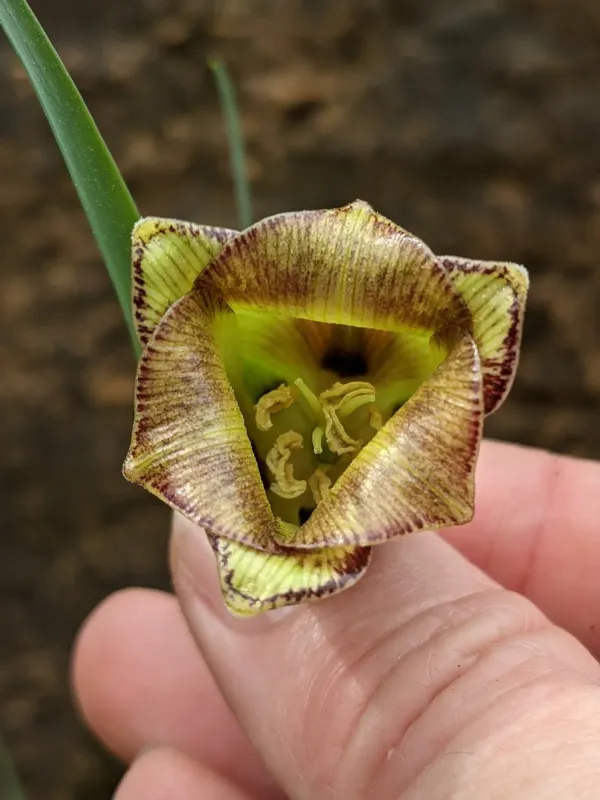
Description
Sowing dates
Fritillaria acmopetala belongs to the Liliaceae family and is a sophisticated bulbous species. Planting should be executed during the late summer or early autumn to ensure the bulb establishes its root system before winter dormancy.
The ideal window for planting is from August to September. Placing the bulbs in the ground during this time provides them with the cooling period necessary for successful spring emergence and bloom development.
Correct planting depth is essential, typically requiring three times the diameter of the bulb. In lighter soils, slightly deeper planting is recommended to ensure the bulb remains anchored and properly protected.
Adding a layer of coarse sand at the base of the planting hole is a standard practice for improving soil drainage. This simple step prevents the bulbs from sitting in water, which is a primary cause of decay.
Propagation is mostly achieved through offsets that naturally form around the parent bulb. Periodically dividing these clusters helps keep the plants vigorous and prevents overcrowding in the garden beds.
Growing requirements
Fritillaria acmopetala thrives in sunny locations but appreciates a degree of light shade during the hottest parts of the day. A location protected from heavy winds is ideal to keep the stems straight and upright.
The soil must be well-drained and fertile, with a neutral to slightly alkaline pH. Heavy, compacted soils require significant amendment with organic matter and grit to prevent moisture retention that can kill the bulbs.
Consistent, moderate moisture is required throughout the growing season, particularly in spring. However, it is vital to reduce water significantly once the foliage begins to yellow and the plant enters dormancy.
Maintaining soil structure is crucial for this species. Integrating compost or well-rotted manure during site preparation will provide the necessary nutrients without burning the bulbs during the planting process.
Mulching the soil surface before winter acts as a thermal buffer in climates with freezing temperatures. This practice protects the bulbs from extreme temperature fluctuations in the topsoil layer.
Main diseases and pests
The primary threats to this plant are fungal infections, such as bulb rot, which are often encouraged by poor soil drainage. Maintaining a healthy soil environment is the best defense against these pathogens.
The lily beetle is a common pest that can quickly damage the foliage, leading to weakened bulbs. Regular monitoring and manual removal of beetles in early spring are effective methods of management.
Preventative treatment includes soaking bulbs in a fungicide solution before planting. This reduces the risk of soil-borne pathogens establishing themselves on the bulb scales during the early stages of growth.
Viral diseases can cause distorted growth or mosaic patterns on the leaves. Infected plants cannot be cured and should be destroyed to prevent the virus from spreading to neighboring healthy bulbs.
Practicing good garden hygiene is essential for preventing the buildup of pests and diseases. Avoid planting Fritillaria in areas where other Liliaceae members have recently suffered from soil-borne diseases.
Harvesting
Harvesting bulbs for relocation or division should only occur after the foliage has fully withered and turned brown. This timing is critical, as it ensures the bulb has absorbed all necessary energy for the next cycle.
Carefully lifting the bulbs with a garden fork prevents physical damage to the delicate outer skin. Any cuts or bruises on the bulb serve as entry points for pathogens, significantly increasing the risk of storage rot.
Once lifted, the bulbs must be cleaned and allowed to dry in a cool, shaded area with excellent airflow. This curing process firms up the outer scales and prepares the plant for a period of storage.
Storage should be in a cool, dry environment, layered with vermiculite or dry sand to maintain humidity levels. Keep them in a place with steady, low temperatures to prevent premature sprouting before the next season.
Discard any bulbs that feel soft or show visible signs of decay before storage. Sorting is an important step to maintain the health of the entire collection during the dormant winter months.