
Siberian fawn lily
Erythronium sibiricum
Description
Sowing dates
The Siberian fawn lily, Erythronium sibiricum, is typically propagated vegetatively by dividing bulb clusters during the dormant summer period.
Seed propagation is possible but is a lengthy process, as it takes approximately five to seven years for the resulting plants to reach their first flowering stage.
Freshly harvested seeds should be sown immediately, as they lose their viability quickly if allowed to dry out for an extended period.
When planting bulbs, a depth of 10 to 15 centimeters is recommended, with spacing of 15 to 20 centimeters to allow for optimal expansion of the clumps.
The best time for transplanting is late summer to early autumn, when the foliage has completely died back and the plant is fully dormant.
Growing requirements
The Siberian fawn lily is a perennial bulbous plant belonging to the Liliaceae family, native to temperate forest regions and alpine meadows.
This species requires fertile, well-draining, and humus-rich soil with a neutral to slightly acidic pH level for healthy development.
Although it can tolerate various light conditions, it performs best in partial shade or dappled sunlight, mimicking its natural woodland habitat.
The plant is exceptionally hardy and capable of surviving cold winters without the need for additional protection or winter mulching.
Adequate soil moisture is crucial during the spring growth phase, but well-draining conditions must be maintained to prevent bulb rot during the summer.
Yield
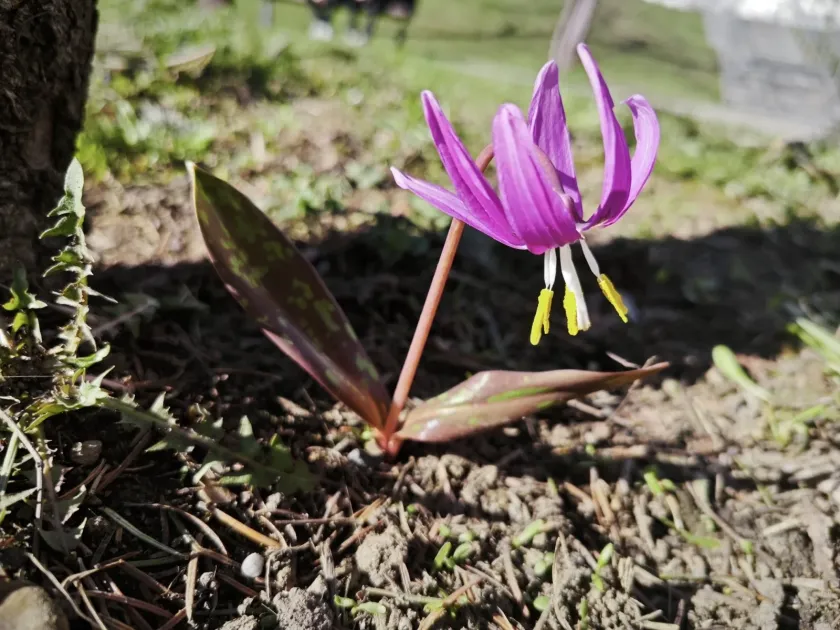
The primary utility of the Siberian fawn lily is ornamental, as it is prized for its early spring blooms and delicate, reflexed petals.
In addition to its garden value, the bulbs have historically been consumed as a food source by indigenous peoples due to their high starch content.
The species serves as a vital early-season nectar source for bees and other pollinators when other floral resources are scarce.
Research into the plant's phytochemical properties suggests potential medicinal uses, although its commercial cultivation for this purpose remains limited.
As a long-lived perennial, it provides consistent aesthetic value year after year, requiring minimal maintenance once established in the correct location.
Main diseases and pests
Small rodents pose the most significant threat to the Siberian fawn lily, often consuming or damaging the bulbs during the winter months.
Poorly drained soils can lead to fungal infections, such as gray mold or various bulb rots, which are often fatal to the plant.
Slugs and snails can cause damage to young, tender foliage in early spring, occasionally reducing the vigor of the plant during the growing season.
Preventive care, such as treating bulbs with fungicides before planting and ensuring proper garden hygiene, is essential for healthy growth.
Consistent monitoring of the planting site is recommended to identify any signs of pest activity or disease early enough to implement effective controls.