
Oregon fawn lily
Erythronium oregonum
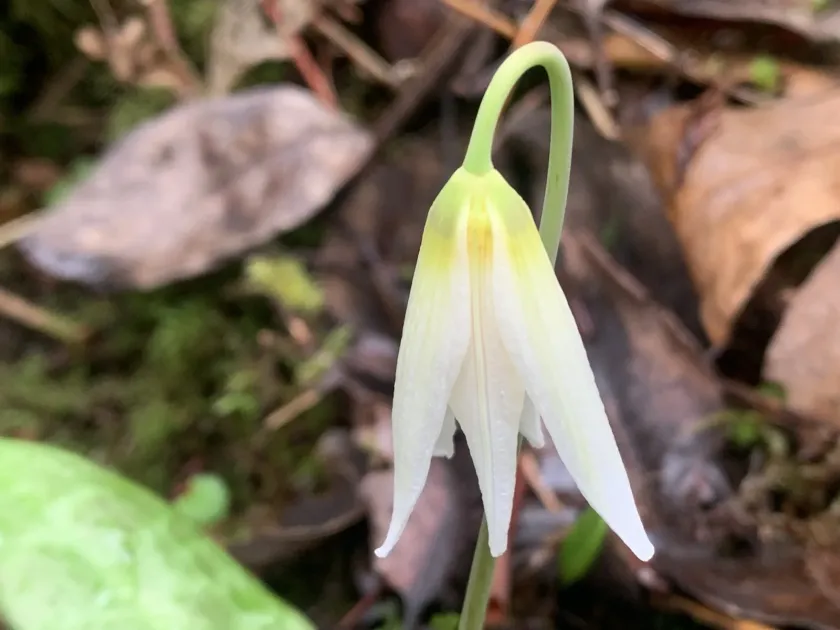
Description
Sowing dates
Oregon fawn lily, as a spring-flowering ephemeral, requires planting in late summer or early autumn to ensure the bulbs establish roots before winter.
The ideal window for planting is between August and September, allowing the bulb to settle into its dormancy period effectively.
Bulbs should be placed at a depth of 10-15 centimeters, ensuring a spacing of roughly 15-20 centimeters to allow for natural bulb propagation.
If propagating by seed, sowing should occur immediately after harvest into specialized nursery beds, as these seeds have very short viability.
It is important to note that seed-grown plants grow slowly and may take up to five years to reach the size required for the first flowering event.
Growing requirements
This species belongs to the Liliaceae family and is native to the Pacific Northwest, thriving in forest edges and moist open woodlands.
The plant demands rich, well-draining soil that is high in organic matter, such as leaf mold, to mimic its natural woodland habitat.
It prefers light shade or filtered sunlight; full, scorching sun can prematurely dry out the foliage and reduce the vigor of the plant.
Consistent but light moisture is required during the active growing season in spring, while the soil should remain relatively dry during the summer.
Proper drainage is essential; heavy clay soils should be amended with grit or sand to prevent bulb rot caused by excessive standing water.
Main diseases and pests
Fungal issues such as Botrytis can affect the plant during cool, wet springs, particularly if there is poor air circulation around the foliage.
Small mammals and rodents represent a significant threat to the bulbs, often requiring the use of wire cages or deterrents to protect the plantings.
Slugs and snails are common garden pests that may consume the tender shoots and leaves, necessitating manual removal or bait application.
To prevent disease, ensure that the site is well-drained and avoid over-mulching with materials that hold too much moisture against the bulb neck.
Any bulbs showing signs of rot or fungal mycelium at planting time should be discarded immediately to keep the rest of the collection healthy.