
Glacier lily
Erythronium grandiflorum
Description
Growing requirements
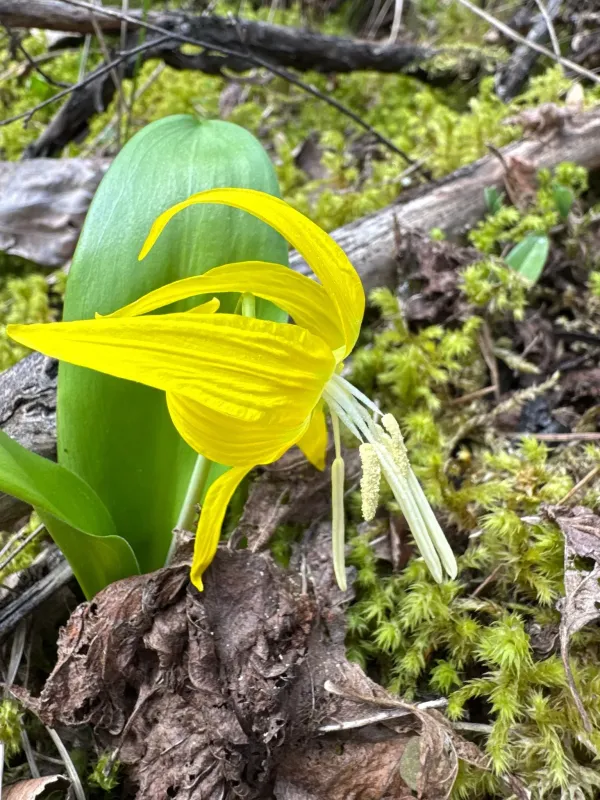
Glacier lily (Erythronium grandiflorum) is a perennial bulbous plant belonging to the Liliaceae family. It is native to the western regions of North America, commonly found in subalpine and alpine meadows.
This crop thrives in well-drained, humus-rich soil that mimics the environment of a forest floor. Proper soil structure is essential for the bulb to remain healthy throughout the dormant season.
The plant prefers partial shade or dappled light, making it an excellent choice for woodland gardens. Excessive heat and direct sunlight can lead to rapid wilting and shortened flowering duration.
Consistent moisture during the spring growth phase is vital. As the plant enters dormancy in late spring or early summer, the soil should be allowed to dry out to prevent bulb decay.
For optimal growth, maintain a layer of organic mulch around the plants. This practice helps to regulate soil temperature and ensures the roots stay cool during the peak of the growing season.
Main diseases and pests
Small rodents and voles represent a significant threat to the bulbs, as they frequently dig up and consume these nutritious subterranean storage organs during winter months.
Fungal pathogens such as grey mould (Botrytis) are common issues, especially in environments where air circulation is poor and soil moisture levels remain too high for extended periods.
Slugs and snails can cause substantial damage to the leaves of the glacier lily, particularly during cool and damp springs when the foliage is soft and vulnerable.
To manage threats effectively, maintain proper spacing between bulbs to promote airflow and remove any decomposing plant material that might harbor fungal spores.
In case of pest infestation, utilize integrated pest management techniques, such as manual collection of snails or the use of protective barriers around the perimeter of the garden bed.