
Alloplectus cristatus
Alloplectus cristatus
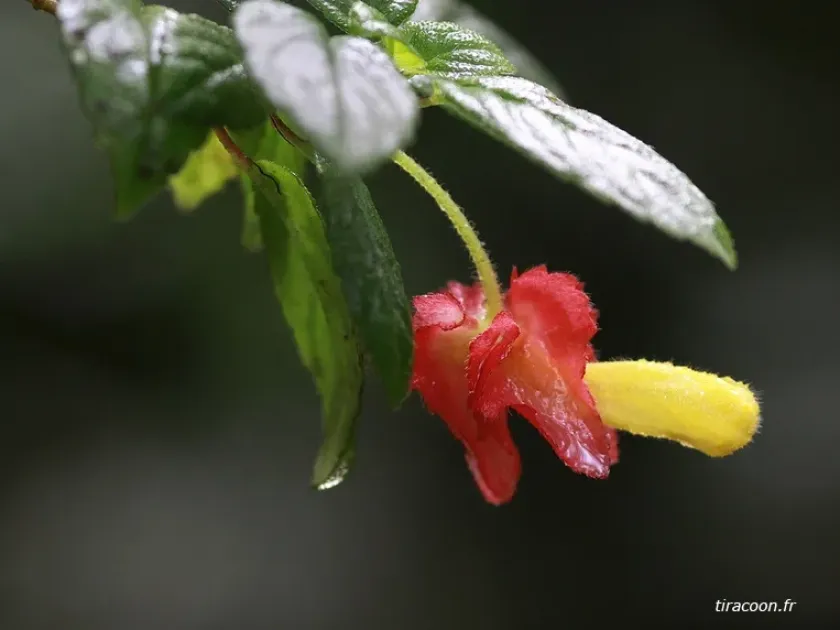
Description
Sowing dates
Propagation of Alloplectus cristatus is predominantly performed through stem cuttings, which ensures the preservation of the plant's characteristic aesthetic features.
Cuttings should be taken during the active growth phase, typically in spring, using healthy shoots with multiple nodes to ensure a robust root system development.
The cuttings are placed in a light, sterile medium that retains moisture while providing excellent drainage to prevent rot during the rooting process.
Maintaining a high humidity level around the cuttings is essential; therefore, using a propagator or covering them with transparent material is standard practice.
Once established, the young plants require a gradual acclimation to lower humidity before they can be moved to a permanent location in the growing environment.
Growing requirements
Alloplectus cristatus belongs to the Gesneriaceae family and requires conditions that simulate its natural habitat in the tropical forests of Central and South America.
The ideal soil mix is rich in organic matter, loose, and slightly acidic, ensuring that moisture is available without waterlogging the sensitive roots.
Environmental temperatures should remain consistently between 18°C and 25°C, as the plant is sensitive to thermal shocks and prolonged exposure to cold temperatures.
Frequent, light watering with room-temperature water is preferred over infrequent, heavy watering, which can damage the delicate root structure of the plant.
Bright, filtered light is the most appropriate lighting condition; excessive direct sunlight often results in scorched foliage and stunted growth in this species.
Main diseases and pests
Common pests affecting this culture include spider mites and mealybugs, which thrive in environments where air circulation is poor and humidity is insufficient.
Root rot caused by pathogenic fungi is a major threat, usually resulting from inadequate drainage or excessive soil moisture levels during the winter months.
Effective management involves consistent monitoring and the application of appropriate systemic insecticides and fungicides when signs of infection are detected.
Cultural control measures, such as providing adequate space between plants and maintaining cleanliness, are vital to preventing the spread of diseases.
- Use of sterilized pots and soil.
- Regular inspection of the foliage.
- Ensuring optimal airflow.