
Achimenes
Achimenes Pers.
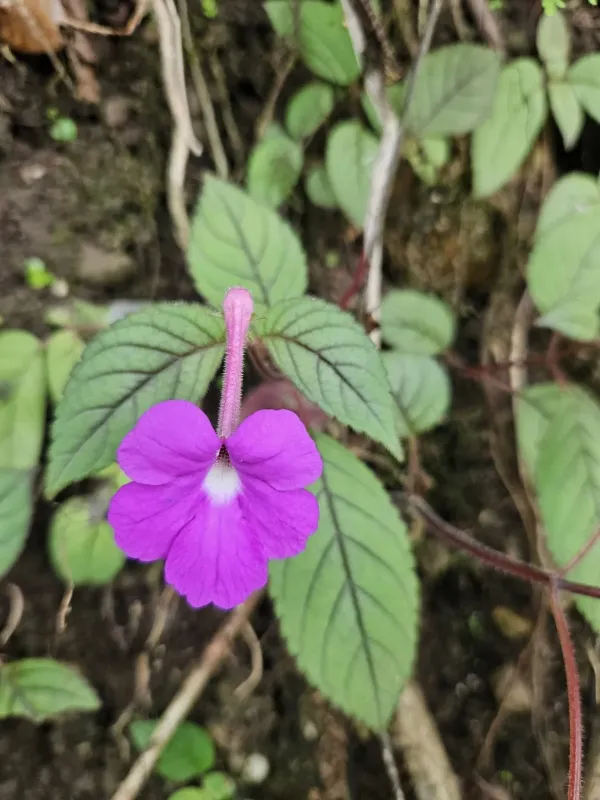
Description
Growing requirements
Achimenes (Achimenes Pers.) is a perennial herbaceous plant belonging to the Gesneriaceae family. Originating from the tropical regions of the Americas, this culture is highly valued for its profuse flowering.
A distinctive biological feature of Achimenes is the development of scaly, subterranean rhizomes, which are essential for the plant's propagation and survival during dormancy.
These plants thrive in bright, indirect light. Exposure to direct midday sun is harmful, as it often leads to leaf scorch and reduced quality of blooms during the growing season.
For optimal growth, the soil must be well-draining, porous, and slightly acidic. A mix consisting of peat moss, perlite, and a small amount of charcoal is highly recommended for best results.
Temperature control is vital; the plant prefers a warm climate between 20°C and 25°C. During the winter dormancy period, the rhizomes should be kept in a cool, dry place to prevent premature sprouting.
Main diseases and pests
The most common pests affecting Achimenes are spider mites, which flourish in dry indoor environments and can quickly weaken the plant if left unchecked.
Aphids can be a significant threat, colonizing new foliage and buds. Their feeding activity often leads to stunted growth and the spread of plant viruses.
Fungal infections, such as grey mold or powdery mildew, typically emerge when air circulation is poor and humidity levels remain excessively high for too long.
Root rot is a critical threat caused by overwatering or soil that lacks proper drainage, leading to the rapid decay of the sensitive rhizome structure.
- Regular inspection of leaf undersides for pests.
- Maintaining proper spacing between containers.
- Application of specialized fungicides if symptoms persist.