
Polygonatum sibiricum
Polygonatum sibiricum Redouté
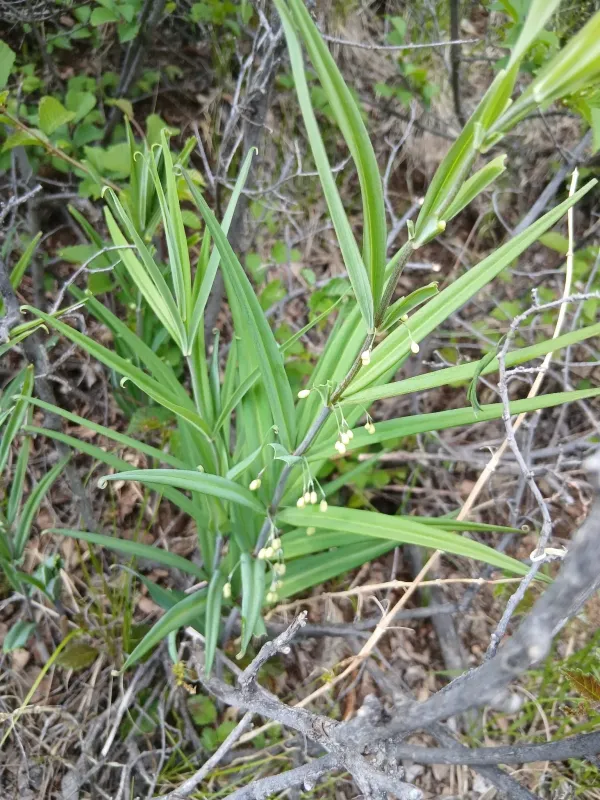
Description
Sowing dates
Polygonatum sibiricum is a perennial herbaceous plant belonging to the Asparagaceae family. Propagation by seeds is a complex and lengthy process due to the need for prolonged stratification; therefore, vegetative propagation is preferred in commercial production.
Propagation through rhizome division is best performed in early spring or late summer during the dormant phase. Rhizome segments with active buds should be planted at a depth of 8–10 cm, maintaining a spacing of 30x40 cm to ensure healthy growth.
If seeds are used, they should be sown in the open ground before winter to allow for natural cold treatment. Seedlings usually emerge in the second year, requiring diligent weed control throughout the initial establishment period.
Early autumn is considered the ideal time for establishing new plantations, as the soil remains warm and moist, facilitating faster root development and plant stabilization before the first frost.
The choice of site is crucial, as this species naturally thrives in shaded forest environments, making it unsuitable for open, high-sun exposure fields without appropriate shading systems.
Growing requirements
This crop prefers loose, humus-rich, and moderately moist forest soils. A slightly acidic to neutral pH level is ideal to mirror its natural habitat and support robust nutrient uptake.
Polygonatum sibiricum is highly sensitive to soil moisture deficit. Agronomic management requires consistent irrigation and the use of organic mulching to preserve moisture levels and prevent soil overheating during summer months.
Being a shade-tolerant plant, it requires protection from direct sunlight. Ideal sites include forest edges or areas equipped with shading nets to simulate natural woodland conditions and maximize biomass production.
Effective drainage is essential to prevent waterlogging, which is a major cause of rhizome decay, especially in early spring. Applying compost or leaf mold annually significantly boosts root system vigor.
The plant is exceptionally winter-hardy, well-adapted to the harsh climates of Siberia and the Far East, and does not require additional protection during winter months in its native range.
Yield
The economic value of Polygonatum sibiricum lies in its rhizomes, which are rich in steroidal saponins and polysaccharides. Maximum accumulation of these bioactive compounds occurs after the fourth year of growth.
Average yield of dried roots depends on soil fertility and the level of care provided. Under optimal agronomic conditions, growers can expect high returns per hectare, provided the plant density and health are well-maintained.
Yield is fundamentally determined by rhizome mass, so early harvesting is discouraged. Allowing the plants to reach full maturity ensures higher concentrations of active medicinal components.
Organic fertilization is highly recommended to increase biomass without compromising the purity of the medicinal product. Synthetic growth stimulants are generally avoided in professional medicinal plant cultivation.
Stable yields are achieved through consistent soil moisture management and preventing competition from weeds, which can significantly stunt the growth of the slow-growing rhizomes.
Main diseases and pests
Fungal diseases, particularly gray rot, are the primary threat to plantations, especially when humidity is high and air circulation is poor. Proper spacing and site selection are key preventive measures.
Slugs and snails can cause significant damage to young shoots in the spring. Integrated pest management strategies, including mechanical barriers or biological controls, should be employed to protect the crop.
The Polygonatum sawfly can damage foliage, reducing the plant's photosynthetic efficiency. Regular scouting is necessary to detect and mitigate infestations before they spread across the plantation.
Leaf spot diseases may occur under improper cultural conditions. Maintaining hygiene by removing plant debris and ensuring good airflow is essential for the long-term health of the field.
Preventive measures also include maintaining quarantine distances from other susceptible botanical species and ensuring that the soil is not overly compacted or saturated with moisture.
Harvesting
Harvesting is performed in late autumn, once the aerial parts of the plant have died back, as this is when the bioactive substances are most concentrated in the rhizomes.
The rhizomes are excavated, carefully cleaned of soil, and washed. Any damaged or decayed portions should be discarded to ensure the overall quality and shelf-life of the dried raw material.
Drying is carried out in controlled conditions, typically at temperatures between 50–60 degrees Celsius. Excessive heat can degrade the chemical profile, so temperature regulation is vital for medicinal quality.
Once dried, the rhizomes become firm and brittle with a characteristic white-yellow color. Proper storage in dry, well-ventilated conditions using breathable packaging is required to maintain long-term viability.
The final product is widely used in pharmaceutical applications and herbal supplements. Adherence to strict quality control standards is necessary for compliance with medicinal herb regulations.