
King's Solomon's seal
Polygonatum kingianum Collett & Hemsl.
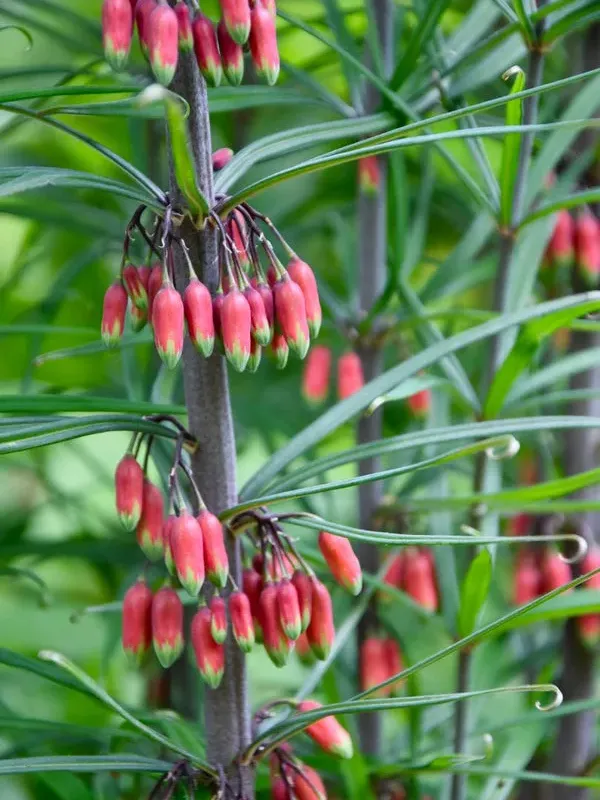
Description
Growing requirements
King's Solomon's seal (Polygonatum kingianum) is a perennial herbaceous plant belonging to the Asparagaceae family. This species is highly valued in pharmaceutical agriculture for its bioactive rhizomes.
The native habitat includes the mountainous regions of Southwestern China, Myanmar, and Northern Thailand. It thrives in regions characterized by humid, temperate conditions and requires stable microclimates.
For cultivation, the crop requires fertile, well-drained, slightly acidic to neutral soils. It is critical to avoid waterlogging, which can lead to rapid degradation of the rhizome system.
The plant is shade-tolerant and prefers dappled light or partially shaded environments. Exposure to direct intense sunlight for prolonged periods should be avoided to prevent thermal stress.
Agricultural management requires careful attention to soil moisture levels throughout the growing season. Propagation is typically performed vegetatively using rhizome divisions to ensure genetic uniformity.
Main diseases and pests
Root rot is the most significant threat to commercial plantings, often triggered by poor drainage or excessive irrigation. Implementing proper soil drainage solutions is a standard preventative measure.
Powdery mildew can affect the foliage, particularly in humid, poorly ventilated planting sites. Maintaining adequate spacing between rows helps facilitate airflow and reduces the risk of fungal outbreaks.
Soil-dwelling pests, such as wireworms, can inflict structural damage on the rhizomes. Integrated pest management strategies, focusing on soil preparation and crop rotation, are recommended.
Slugs and snails may target young shoots during the early spring growth phase. Monitoring and mechanical control methods are effective in mitigating damage during these sensitive periods.
Viral infections can potentially impact yields if diseased plant material is used for propagation. Strict sanitation protocols and sourcing virus-free stock are essential for sustainable production.
Harvesting
The primary agricultural objective for King's Solomon's seal is the harvest of mature rhizomes, which are rich in pharmacological compounds used in traditional and modern medicinal formulations.
Harvesting usually occurs in the autumn months after the senescence of the above-ground biomass. This timing ensures the peak accumulation of active constituents within the underground storage organs.
Rhizomes are carefully harvested, cleaned, and processed to remove soil residues. Efficiency during this phase is vital to maintain the integrity of the rhizome skin and prevent contamination.
Post-harvest processing involves cutting the rhizomes into uniform segments followed by controlled drying. This prevents enzymatic degradation and preserves the quality of the raw material for future sale.
Proper storage involves keeping the processed material in climate-controlled environments with regulated humidity to ensure a long shelf life and prevent quality loss during logistics and transport.