
Snow star
Ornithogalum nivale
Description
Sowing dates
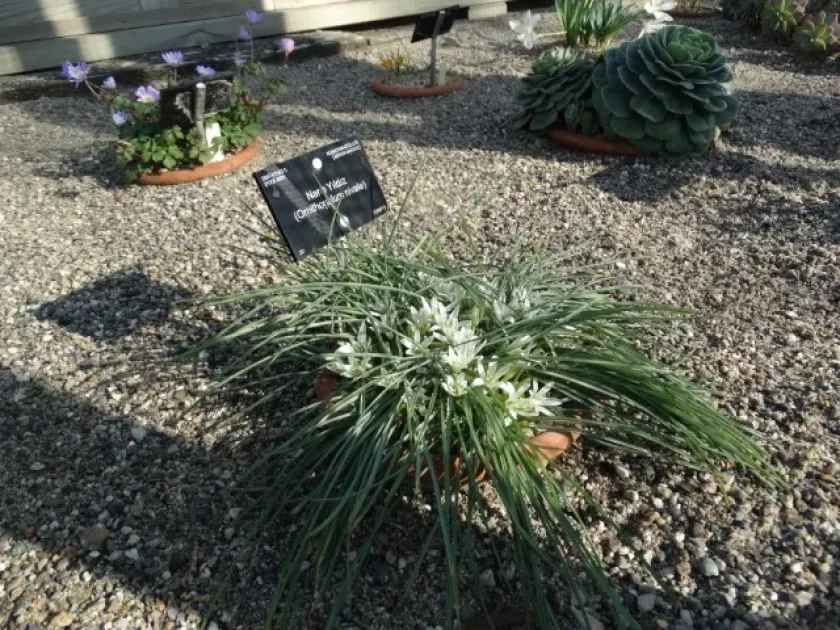
The Snow star (Ornithogalum nivale) is a bulbous perennial belonging to the Asparagaceae family. This species is an ephemeral plant, completing its primary life cycle during the cooler spring months when soil moisture levels are optimal for rapid development.
The recommended planting time for the bulbs is late summer to early autumn. This timeframe allows the root system to establish itself before the ground freezes, which is crucial for uniform germination in the early spring.
Bulbs should be planted at a depth of 6 to 10 centimeters, depending on the bulb size and the specific soil texture. Proper spacing is essential to prevent overcrowding and to ensure that each plant receives adequate nutrients from the soil.
When planting in heavier soil types, adding a layer of coarse sand at the base of the hole acts as a drainage layer. This simple practice significantly reduces the risk of waterlogging, which is a common cause of bulb decay in non-drained soils.
Propagation is predominantly vegetative, utilizing the natural division of bulb clusters. This method ensures genetic consistency and is the most reliable way for growers to expand their stock, as plants often reach maturity faster than those grown from seeds.
Growing requirements
This crop thrives in sunny locations, although it can tolerate partial shade during the hottest part of the day. Consistent exposure to sunlight is a key factor in promoting healthy foliage and vibrant blooming cycles during the growing season.
The ideal soil is loose, well-draining, and rich in organic matter with a neutral to slightly alkaline pH. Compacted soils should be avoided or amended with organic compost to improve structure and promote aeration around the root zone.
Moisture requirements are highest during the early spring vegetative growth phase. However, once the foliage begins to yellow and die back, the bulbs enter a dormancy period where dry soil conditions are preferred to prevent rot.
Snow star is characterized by excellent cold hardiness, adapting well to regions with significant winter temperature fluctuations. The bulbs remain viable throughout the winter months, provided they are not subjected to prolonged periods of standing water.
Fertilization should be applied at the beginning of the growth cycle to provide the necessary nutrients for flower development. A balanced NPK fertilizer is typically sufficient, helping the plant store energy for the subsequent year's development.
Main diseases and pests
Fungal diseases represent the most significant threat to this culture, particularly under conditions of poor soil drainage. Fusarium rot and gray mold can affect the basal plate and scales of the bulb, leading to rapid tissue breakdown.
Preventive measures include treating the bulbs with approved fungicides prior to planting and ensuring the site has excellent drainage characteristics. If rot is detected, the affected bulbs must be discarded immediately to prevent spread.
Pests, such as bulb mites and various species of thrips, can cause mechanical damage to the leaves. This feeding activity reduces the plant's photosynthetic capacity and weakens the bulb for the following season, often resulting in stunted growth.
Monitoring the foliage for signs of stippling or premature yellowing is recommended as part of routine field management. If pest populations exceed threshold levels, appropriate miticides or insecticides should be applied.
Sanitation is a vital aspect of pest and disease management in bulb production. Removing crop debris and practicing strict crop rotation cycles effectively disrupts the life cycle of common soil-borne pathogens and bulb-specific pests.