
Attalea
Attalea
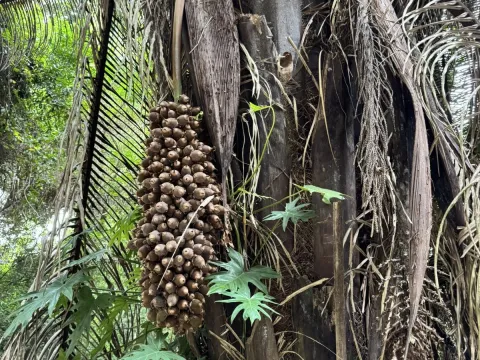
Attalea is a genus of large palms in the Arecaceae family, native to tropical regions of the Americas. These plants are widely known for their massive stems and large, arching pinnate leaves that can reach several meters in length.
What the section contains


Attalea
The genus thrives in humid tropical environments, requiring consistent warmth and protection from frost. Ideal temperatures for cultivation range from 22 to 28 degrees Celsius throughout the year.
Soil requirements for Attalea include deep, well-drained, and nutrient-rich substrates. The plant is sensitive to waterlogging, necessitating excellent soil structure to prevent root rot and ensure adequate oxygenation.
Agricultural management requires regular maintenance of soil moisture levels, especially during the growth season, to support the rapid development of its large vegetative mass.
The botanical structure of the palm allows it to dominate the forest canopy. In cultivation, managing space is crucial as these trees require significant room for their root systems and foliage to expand.
Attalea is economically significant for its seeds, which are a source of high-quality vegetable oils used in food production and industrial applications. Some species, commonly referred to as coquito nuts, are edible.
Beyond oils, the leaves provide durable fibers that are harvested for handicraft and textile production. This utilization makes the palm a multi-purpose resource for sustainable farming communities.
Harvesting involves collecting mature fruits, which is often a labor-intensive process due to the tree's height. Mechanization is increasingly being adapted to improve efficiency on commercial plantations.
Post-harvest processing includes oil extraction from the kernels. Achieving high yields requires strict control over moisture content during the storage of the harvested fruits.
Sustainable harvesting practices are essential to ensure the longevity of the palms. Over-harvesting or inappropriate pruning can weaken the plant and reduce its future productivity.
Fungal diseases are a primary concern, particularly those affecting the root system and the crown. Good drainage and adequate air circulation around the plants help mitigate these risks.
Insect pests, such as palm weevils and mites, pose a significant threat by damaging the apical meristem. Regular inspections and integrated pest management strategies are necessary to protect the palms from fatal infestations.