
Attalea cohune
Attalea cohune Mart.
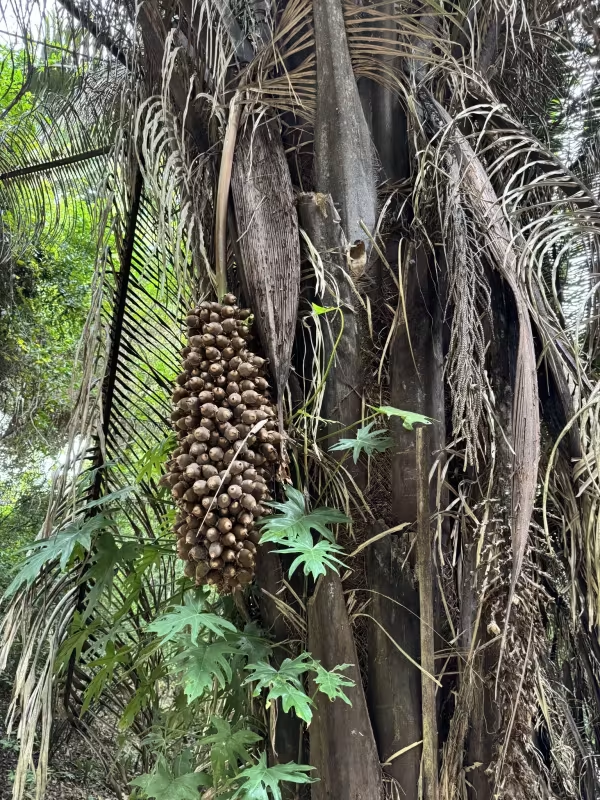
Description
Growing requirements
Attalea cohune, commonly known as the cohune palm, is a robust species within the Arecaceae family. Native to the tropical regions of Central America, this plant is well-adapted to warm, humid environments with minimal temperature fluctuations throughout the year.
For successful agricultural production, the cohune palm requires deep, fertile, and well-drained soils. It thrives particularly well in alluvial plains, provided that the soil structure prevents waterlogging, which the plant is highly sensitive to.
The climate requirements include a consistent high-humidity atmosphere and plenty of sunlight. While young palms are tolerant of partial shade, mature trees require full sun to reach their maximum production potential.
Agrotechnical practices involve careful site selection to ensure natural drainage. Initial development can be slow, making the first three years of maintenance crucial for establishing a healthy, vigorous growth habit in the plantation.
Nutrient management is essential; applying organic matter or balanced NPK fertilizers helps accelerate the growth rate of the palm, leading to earlier maturation and more consistent fruit production.
Yield
The primary agricultural interest in Attalea cohune lies in its fruit, which yields high-quality oil known for its diverse industrial and culinary applications. The kernels are rich in fats that are highly valued in the cosmetics and food industries.
Annual yields vary significantly depending on the age of the tree and the environmental conditions of the site. A single mature palm can produce several heavy bunches of fruit, contributing to substantial biomass production.
Beyond the oil, the foliage serves multiple purposes. Large fronds are traditionally used as durable thatch for roofs, providing natural insulation and resistance against heavy tropical rainfall.
The endocarps (hard shells) of the fruit are an excellent source of biofuel, possessing a high calorific value. Efficient processing of these shells can turn waste into an energy resource for the farm.
Fiber extracted from the leaves offers potential in artisanal and textile industries. Developing efficient harvesting methods remains a key challenge to maximize the commercial output of this versatile palm species.
Main diseases and pests
The cohune palm is susceptible to various fungal pathogens, especially if the soil remains waterlogged for extended periods. Monitoring root health is vital to preventing the spread of soil-borne diseases.
Palm weevils pose a significant threat, as they can bore into the trunk and damage the growing point. Integrated pest management strategies, including the use of pheromone traps, are recommended for large-scale operations.
Nutritional stress or severe drought can weaken the palm's immune system, making it more prone to secondary infections. Maintaining soil fertility is a primary defense mechanism against such biotic stressors.
Overcrowding in plantations reduces airflow, increasing the risk of moisture-related disease outbreaks. Adhering to recommended planting densities is essential for the longevity of the crop.
Routine maintenance, such as the removal of dead fronds and debris, is necessary to reduce the habitat for harmful insects. This practice also improves overall plantation hygiene and accessibility for harvesting.