
Babassu palm
Attalea speciosa Mart. ex Spreng.
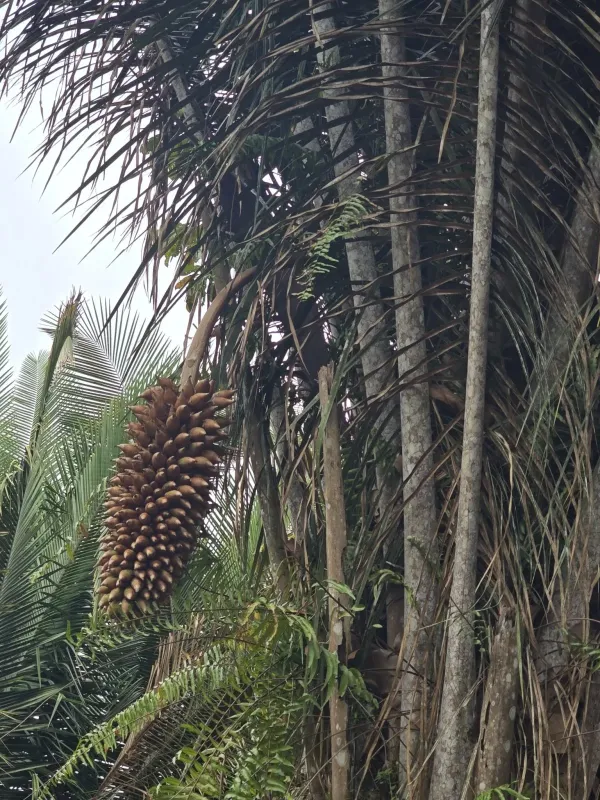
Description
Sowing dates
The Babassu palm (Attalea speciosa) propagates primarily through seeds. Under natural conditions, germination occurs within three to six months post-maturation if soil moisture levels remain consistently high.
In commercial nurseries, seeds undergo stratification to improve germination rates. Planting is conducted in containers with a nutrient-rich, well-draining substrate to prevent embryonic rot.
The optimal time for transplanting seedlings into the field is the onset of the rainy season. This timing ensures that young plants receive sufficient water for root development during their first year.
Planting density varies based on plantation goals. For intensive nut harvesting, a distance of 8 to 10 meters between rows is maintained to reduce competition for sunlight and space.
Young palms require shading during their first 18 months of life. Protective netting or integration into natural undergrowth environments is highly recommended for survival.
Growing requirements
This species belongs to the Arecaceae family. It is a light-demanding plant that requires high solar radiation for optimal fruit production and can reach heights of up to 20 meters.
A tropical climate is essential, with annual rainfall between 1500 and 2000 mm. The plant is extremely sensitive to frost and prolonged periods of severe drought.
Soil requirements include deep, well-draining loams or sandy soils. While the plant requires moisture, it does not tolerate waterlogging in the root zone.
The ideal temperature range for active growth is between +24°C and +30°C. Temperatures dropping below +15°C significantly inhibit growth and negatively impact yield potential.
Application of organic fertilizers around the base promotes healthy development. Mulching helps maintain soil moisture levels and effectively suppresses invasive weed species.
Yield
The Babassu palm begins to produce its first significant yields between the age of 7 and 10 years, with full productivity attained after 15 years.
Fruits are drupes, grouped in large bunches weighing up to 90 kg. Each fruit contains 2 to 6 hard nuts with a high oil content within the kernels.
The average yield of a mature palm ranges from 50 to 150 kg of fruit annually, depending on the management of the plantation and local climate conditions.
Babassu oil, extracted from the kernels, accounts for approximately 60–70% of the kernel weight. This valuable substance is used extensively in food and cosmetic industries.
Stable yields are highly dependent on consistent rainfall during the flowering period. Unfavorable weather patterns often result in the premature dropping of fruit sets.
Main diseases and pests
The most significant pests are weevils, which attack the growth point of the palm, often leading to the death of the entire tree if left untreated.
Fungal infections tend to thrive in high-humidity conditions with poor air circulation. Proper pruning is essential to ensure adequate airflow within the crown.
Various caterpillar species can cause damage to young foliage, reducing the photosynthetic efficiency and overall vigor of the palm tree.
Integrated pest management strategies, including biological controls and mechanical monitoring, are the standard for maintaining plantation health.
Removing dead leaves regularly is a critical cultural practice that prevents the spread of pathogens and promotes the healthy development of the tree.
Harvesting
Harvesting Babassu is a labor-intensive process due to the non-simultaneous ripening of fruits. Collection occurs throughout the year, peaking during the dry season.
Fruits are primarily gathered manually after they fall naturally to the forest floor. Timely collection is essential to prevent degradation and fermentation.
The hard shell of the nut requires specialized mechanical crushers to extract the kernels without damaging the valuable internal oil-bearing components.
Collected nuts undergo a drying process to reduce moisture levels, which prevents mold development and ensures quality for storage and transport.
Effective harvest logistics are vital, as the fruit's high moisture content makes it prone to rapid microbial spoilage if left in the field too long.