
Zehneria odorata
Zehneria odorata
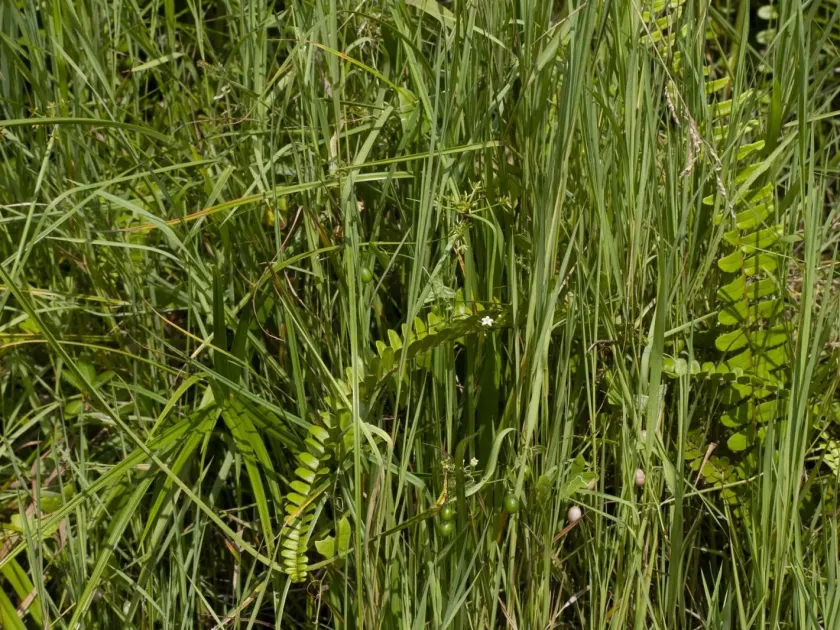
Description
Sowing dates
Zehneria odorata is a heat-loving climbing plant that requires specific timing for planting, depending on local climate conditions. In temperate regions, sowing should occur only after the danger of frost has passed and soil temperatures consistently stay above +15°C.
Starting seeds indoors is the most recommended method to ensure a healthy start and optimal adaptation for the plant. Sow the seeds in late winter or early spring using a well-draining, nutrient-rich potting mix in seed trays or small pots.
Seeds require high humidity and consistent warmth between +22°C and +25°C to germinate effectively. Once seedlings reach the stage of two or three true leaves, they should be transplanted into larger containers or acclimatized for outdoor transfer.
When moving plants to their permanent outdoor location, choose a site with well-prepared soil rich in organic matter. Space the plants approximately 60–80 cm apart, allowing sufficient room for the vine to climb and sprawl effectively during the growing season.
Vertical support must be established immediately upon transplanting to avoid damaging the delicate tendrils of the plant. A trellis, net, or wire system is ideal for facilitating healthy vine growth and ensuring proper airflow between the leaves.
Growing requirements
As a member of the Cucurbitaceae family, Zehneria odorata thrives in sunny, warm locations protected from strong or cold winds. Full sun exposure is critical for the plant to produce abundant foliage and achieve its full growth potential throughout the season.
The soil should be fertile, loose, and well-draining, with a pH ranging from neutral to slightly acidic. Heavy, compacted soils that trap moisture can lead to root issues, so incorporating compost or perlite is beneficial for better structure and aeration.
Consistent soil moisture is essential for the plant, especially during periods of active growth and fruit development. While the plant needs to be watered regularly, waterlogging the root system should be avoided to prevent fungal infections and root rot.
Zehneria odorata requires a sturdy support structure because it is a vigorous climbing plant. Installing a vertical trellis or fencing allows the plant to climb naturally, which increases sun exposure for all parts of the vine and prevents fruit from resting on damp soil.
The ideal temperature for healthy vegetation ranges from +20°C to +28°C. If temperatures drop significantly, the plant may enter dormancy or suffer from slowed metabolic rates, making protective coverings necessary in cooler regions during the spring or fall.
Main diseases and pests
Powdery mildew is a significant threat to Zehneria odorata, particularly in humid or crowded environments with poor air circulation. Managing humidity levels and ensuring proper spacing between vines are the best ways to mitigate the risk of this fungal disease.
Spider mites can become a major nuisance, especially during hot and dry spells. These tiny pests suck sap from the leaves, causing stippling and eventual yellowing; persistent monitoring is necessary to keep their populations under control during the peak of summer.
Aphids often target young shoots and leaves, hindering the overall development of the plant. If infestation occurs, gentle washing or the application of insecticidal soaps can usually clear the pest without harming the plant's delicate tissues.
Root rot is often the result of improper watering practices, especially in soils with poor drainage. Maintaining a healthy balance of moisture and ensuring that water does not pool around the base of the plant are vital for long-term survival and vigor.
- Powdery mildew
- Spider mites
- Aphids
- Root rot