
Zehneria japonica
Zehneria japonica
Description
Growing requirements
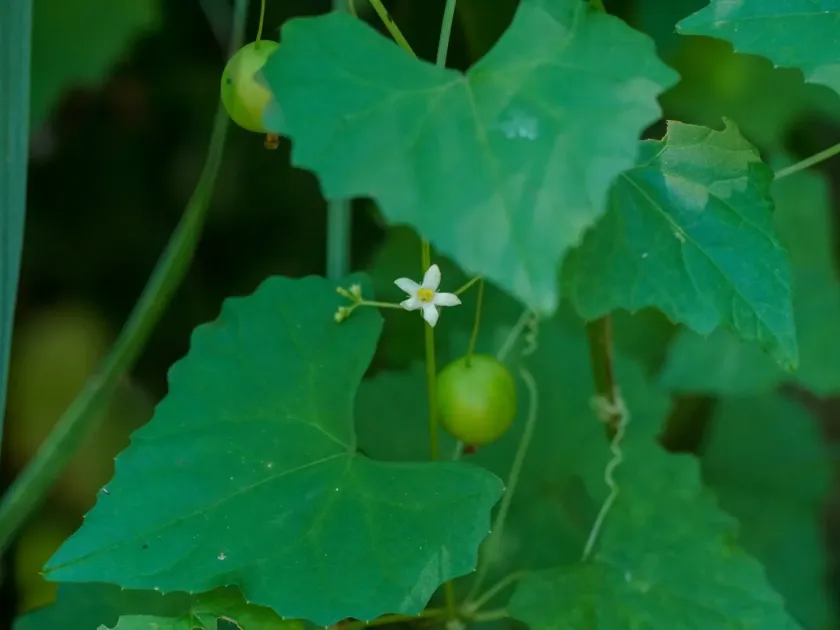
Zehneria japonica is a perennial herbaceous vine belonging to the Cucurbitaceae family. This climbing plant is known for its vigorous growth and ability to thrive in diverse environments within its native East Asian range, specifically Japan and parts of China.
The plant is biologically characterized by its slender, tendril-bearing stems and small, distinctive fruits. It is widely recognized for its adaptation to humid, semi-shaded forest edges, where it utilizes surrounding vegetation to reach sunlight.
Regarding cultivation requirements, Zehneria japonica prefers fertile, well-draining soils with a balanced nutrient profile. Incorporating organic matter such as compost during the soil preparation phase is essential for promoting healthy foliage development.
Climatic preferences include stable, warm temperatures during the growing season. While the plant can tolerate some fluctuations, it remains sensitive to frost, which limits its perennial growth in regions with harsh winters.
Economically, the plant is primarily utilized for ornamental purposes. Its aesthetic appeal in vertical gardening, combined with the potential medicinal research interest into its bioactive compounds, makes it a subject of interest for specialized growers.
Main diseases and pests
Powdery mildew is a common fungal threat that appears as a white, dusty layer on the leaves, usually triggered by poor ventilation and high humidity levels.
Aphids pose a constant threat to the terminal buds and tender shoots of the vine. They can weaken the plant by sucking essential sap and spreading viral infections.
Spider mites often attack the leaves during hot, dry weather conditions, causing them to yellow and eventually wither if the infestation is not controlled.
Root rot is typically associated with waterlogged soil. Ensuring a proper drainage system is critical to prevent the roots from suffocating in heavy, poorly aerated media.
Slugs and snails can consume young leaves and stems, especially in early spring. Installing physical barriers or using non-toxic baits is recommended for effective population management.