
Zehneria guamensis
Zehneria guamensis
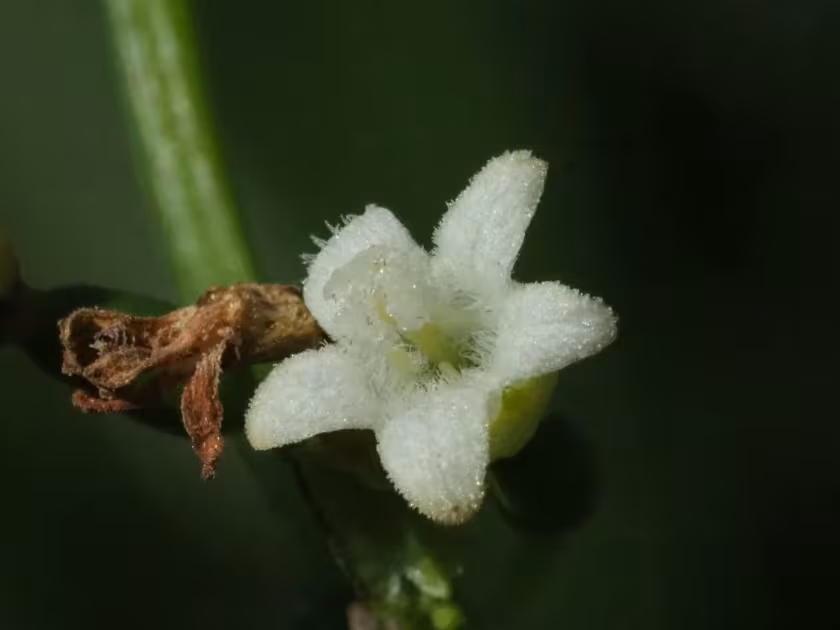
Description
Growing requirements
Zehneria guamensis is a perennial herbaceous vine belonging to the Cucurbitaceae family. It is native to tropical environments, particularly in Pacific regions like Guam, where it utilizes its tendrils to climb across other vegetation.
The plant thrives in tropical climates characterized by consistently warm temperatures, ideally between 22°C and 30°C. It is strictly sensitive to cold and cannot survive frost, making it suitable primarily for tropical or greenhouse cultivation.
Soil requirements for this species include high fertility and excellent drainage. It performs best in nutrient-rich loamy soils that remain moist but avoid waterlogging, which is essential to maintain root health.
In terms of cultivation, Zehneria guamensis requires vertical support structures such as trellises or netting to allow for proper foliage development and air circulation. This prevents the stems from matting on the ground, which reduces disease risk.
Regarding light, the plant prefers bright, filtered light. While it grows vigorously, excessive exposure to harsh, direct midday sun can result in leaf scorching, so providing partial shade in peak hours is a standard agronomic practice.
Main diseases and pests
Like many members of the gourd family, this plant is vulnerable to powdery mildew, a fungal infection that appears as white spots on leaves, especially when humidity levels are persistently high.
Insect pests such as spider mites and aphids are the most common threats. They colonize the undersides of leaves and stems, extracting vital plant sap and weakening the overall vigor of the vine.
Root rot represents a significant danger, especially if the soil medium is too dense or poorly drained. Maintaining soil structure is paramount to ensuring the root system can breathe properly throughout the growing cycle.
Integrated pest management, including the use of neem oil or other horticultural soaps, is recommended to manage infestations without relying on harsh synthetic chemicals that could damage the sensitive foliage.
Regular sanitation, including the prompt removal of infected leaves or debris, is a critical preventative step that helps maintain the health of the planting and mitigates the spread of opportunistic pathogens.