
Zehneria emirnensis
Zehneria emirnensis
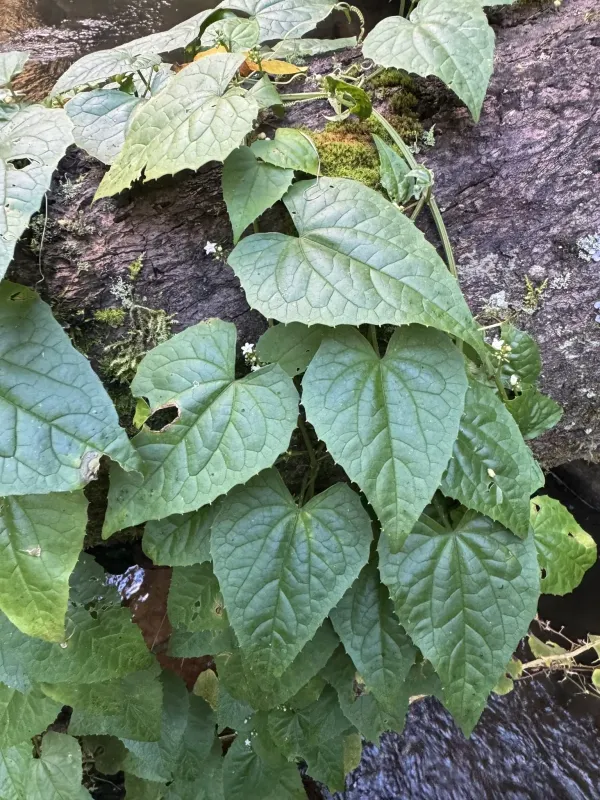
Description
Sowing dates
Sowing Zehneria emirnensis requires warm soil temperatures, as this plant is sensitive to cold during the germination stage. It is recommended to start seeds in a greenhouse environment if the regional climate is not consistently warm during the spring season.
The substrate for sowing must be light, well-draining, and rich in organic matter. Utilizing seedling trays allows for better management of individual plants before they are ready for transplanting into the field.
Seeds should be planted at a depth of 2-3 centimeters. Maintaining a constant temperature range between 20 and 25 degrees Celsius significantly improves the germination rate and ensures stronger initial growth of the seedlings.
Once seedlings have developed their true leaves, they require an acclimatization period known as hardening-off. This process gradually exposes the plants to outdoor conditions, reducing transplant shock upon moving them to their permanent site.
Spacing is essential for this vining species, as dense planting can lead to poor air circulation. Providing a spacing of 50-70 centimeters between plants promotes healthy canopy development and simplifies future maintenance tasks.
Growing requirements
Zehneria emirnensis thrives in environments with high light intensity and requires full sun exposure to maintain optimal physiological activity. It is crucial to select a site that does not experience significant shading from surrounding structures or large trees.
The ideal soil for this species is a loamy, fertile soil with a neutral pH. Improving soil drainage is vital, as root systems are susceptible to decay when subjected to waterlogging for extended periods, especially in heavy or compacted soils.
As a climbing plant, Zehneria requires robust support systems such as trellises or netting. Vertical growth is not only necessary for the plant’s habit but also improves light interception and fruit production efficiency.
Consistent moisture levels are required throughout the growing season. While the plants should never remain in waterlogged soil, they should not suffer from drought, as moisture stress can severely limit the vegetative biomass development.
Fertilization regimes should be balanced, focusing on nitrogen during the vegetative phase and potassium during the reproductive phase. Organic compost and balanced liquid fertilizers are generally sufficient to meet the nutrient needs of the crop.
Main diseases and pests
Fungal diseases, particularly powdery mildew, are common issues in Zehneria emirnensis cultivation, especially when air humidity is high and circulation is poor. Proper pruning and plant spacing are effective cultural control measures.
Pests such as aphids and spider mites can cause significant damage to the foliage, weakening the plant's ability to photosynthesize. Regular monitoring of the underside of the leaves is a necessary practice for early detection and mitigation.
Root rot caused by pathogens like Pythium can occur if irrigation management is poor. Ensuring adequate soil aeration and avoiding excessive watering are the primary methods for preventing these soil-borne disease problems.
Implementing a crop rotation strategy is essential for breaking the pest and disease cycle. Avoiding planting cucurbits in the same area for multiple consecutive years significantly reduces the pressure from soil-borne pathogens.
For chemical-free management, applying biological control agents like predatory mites or neem-based solutions can be highly effective. These options protect the crop while maintaining the ecological balance of the surrounding area.