
Zehneria baueriana
Zehneria baueriana
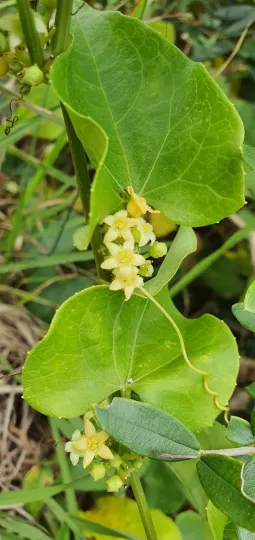
Description
Growing requirements
Zehneria baueriana is a vigorous climbing plant belonging to the Cucurbitaceae family. It is characterized by its slender stems and tendrils, which allow it to scale natural supports and fences with great efficiency.
The species originates from the subtropical regions of Australia, particularly flourishing in areas with consistent rainfall and temperate conditions. It thrives in habitats that provide moderate protection from extreme weather events.
To achieve optimal growth, this plant requires well-draining soil rich in organic matter. A slightly acidic to neutral substrate provides the best environment for root establishment and nutrient absorption.
Climatic requirements focus on warmth and high ambient humidity. While the plant can tolerate short periods of dryness, consistent moisture levels in the root zone are essential for maintaining steady vegetative development.
In a horticultural setting, providing adequate space for vining is crucial. The plant responds well to trellis systems, which help improve light distribution across the foliage and enhance overall crop health.
Main diseases and pests
Like many cucurbits, Zehneria baueriana is susceptible to common pests such as spider mites and aphids, which often target the softer tissues of the plant during the growing season.
Fungal pathogens, particularly powdery mildew, can manifest as a white powdery coating on leaves when humidity levels fluctuate or air circulation is restricted.
Overwatering poses a significant threat, as it can induce root rot caused by various soil-borne pathogens. Maintaining a balance between irrigation and soil drainage is vital for long-term survival.
Integrated pest management, including the use of neem oil or biological controls, is highly recommended to keep pest populations at manageable levels without harming the environment.
Regular sanitation of the cultivation area is a key preventive measure against the buildup of spores and larvae that could compromise the health of the climbing vines.