
Zehneria maysorensis
Zehneria maysorensis
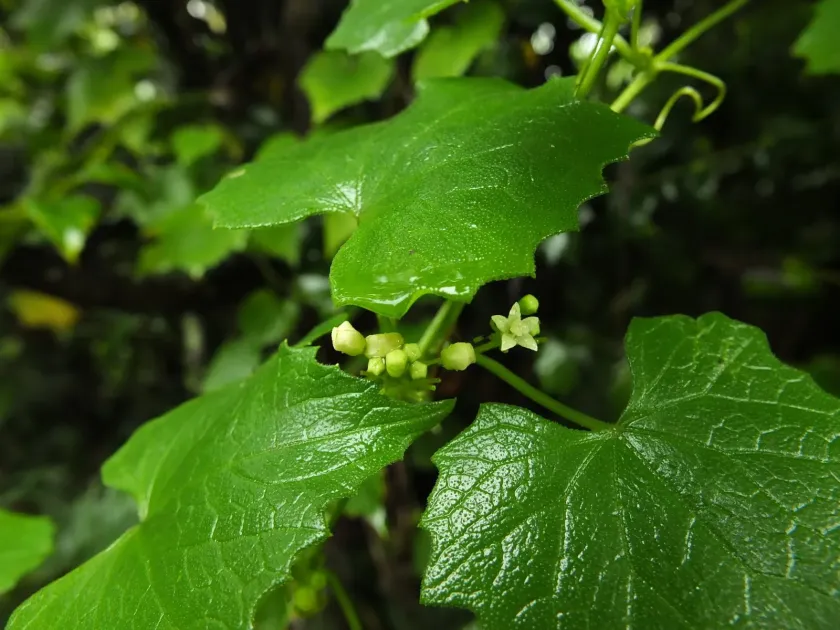
Description
Growing requirements
Zehneria maysorensis is a perennial climbing plant belonging to the Cucurbitaceae family. It is widely distributed across tropical regions of Africa and Asia, thriving in warm and humid climates where it can utilize its tendrils to climb and colonize available vertical structures.
The plant exhibits typical cucurbit characteristics, including heart-shaped or lobed leaves and small, distinct fruits. Its growth habit is characterized by rapid vegetative expansion, making it a highly dynamic component of the ecosystem in which it naturally grows.
For successful cultivation, this plant requires high thermal stability and consistent moisture levels. It thrives in well-draining, nutrient-rich soils that allow for rapid root development while preventing waterlogging, which the species finds detrimental to its overall health.
Agricultural practices must focus on providing adequate structural support, as the vine is naturally predisposed to climbing. The plant is highly sensitive to frost; therefore, cultivation in temperate regions is generally restricted to greenhouse conditions or protected environments.
From an agricultural standpoint, Zehneria maysorensis is explored for its genetic diversity and potential inclusion in breeding programs aimed at improving resistance to common cucurbit pathogens. Its use remains localized but holds significance in traditional ethnobotanical contexts.
Main diseases and pests
Like many members of the Cucurbitaceae family, this species is prone to powdery mildew and downy mildew, which flourish under conditions of high humidity and poor ventilation. Monitoring foliage regularly is essential to mitigate these risks early.
Pests such as aphids and spider mites are frequent threats, especially during peak summer temperatures. These insects can cause significant damage to the leaves and stunt the plant's growth if not managed through timely intervention.
Root rots are a common issue associated with excessive soil moisture. Implementing an efficient irrigation system and ensuring good drainage are critical strategies for preventing these soil-borne fungal infections.
Viral infections transmitted by insect vectors can pose a serious threat to yield stability. Effective pest management strategies, such as the use of systemic controls or biological deterrents, are necessary to protect the plant population.
Nematodes are another concern, particularly in fields with a history of intensive cultivation. Crop rotation and maintaining soil health are the primary preventive measures to minimize the impact of these microscopic pests.