
Zehneria mucronata
Zehneria mucronata
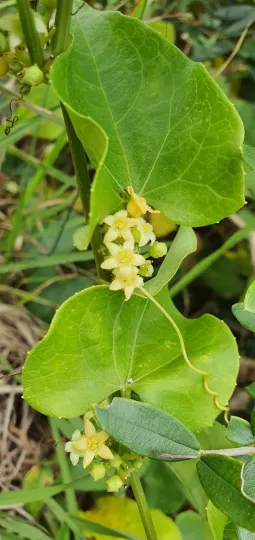
Description
Sowing dates
Zehneria mucronata is a climbing herbaceous plant belonging to the Cucurbitaceae family, widely distributed in tropical and subtropical regions.
The seeds require a warm environment to germinate effectively, usually sown in high-quality potting mix or enriched soil at a shallow depth.
Optimal sowing time depends on local rainfall patterns, typically starting just before the onset of the wet season for vigorous growth.
Seedlings should be thinned or transplanted to maintain adequate spacing, ensuring that each plant has enough room for canopy development.
Establishing a sturdy trellis or support system early on is critical to allow the vines to climb and develop properly.
Growing requirements
This crop thrives in warm, humid conditions with temperatures ranging between 22 and 30 degrees Celsius for sustained plant health.
Soil requirements involve well-drained medium with high organic matter content to support the rapid growth of the climbing vine.
Consistent moisture is essential for this plant; however, it is susceptible to root rot if the soil remains waterlogged for extended periods.
The plant performs best in full sunlight but may benefit from dappled shade during the hottest parts of the afternoon in extreme climates.
Fertilization with balanced NPK fertilizer during the vegetative growth phase encourages robust leaf production and stem strength.
Yield
The fruit of Zehneria mucronata is edible and serves as a traditional food source in many local regions across its native habitat.
Productivity is maximized when the plant is given sufficient vertical space and regular pruning of excessive side shoots.
Harvesting should be done regularly as the fruits reach their peak size, preventing them from ripening past the desired culinary stage.
The yield can be significantly increased through systematic watering and maintaining optimal soil nutrient levels during flowering.
Proper post-harvest handling is necessary to maintain the texture and flavor quality of the delicate fruit during transportation.
Main diseases and pests
Common pests include spider mites and aphids, which often attack the foliage and can stunt growth if left untreated.
Fungal infections such as powdery mildew are common in humid environments and can be mitigated by ensuring proper airflow around the vines.
Leaf-eating insects can cause cosmetic damage, and if populations are high, they may require organic pest control measures like neem oil application.
Crop rotation is recommended to prevent soil-borne pathogens from accumulating in the same location over successive seasons.
Routine inspection of the plant underside is advised to catch pest infestations early, ensuring a higher yield and healthier crop.