
Zehneria minutiflora
Zehneria minutiflora
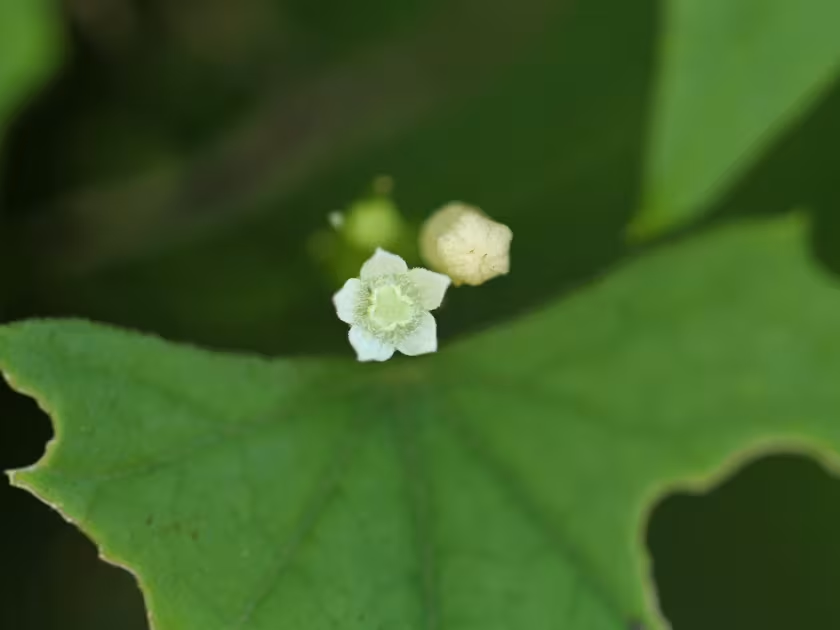
Description
Sowing dates
Zehneria minutiflora is a member of the Cucurbitaceae family. Originating from tropical Africa, this climbing plant thrives in warm, humid conditions and is typically sown at the start of the rainy season when soil temperatures remain consistently above 20 degrees Celsius.
When cultivating this species in temperate zones, sowing in greenhouses or containers is recommended during early spring. Seeds should be planted at a shallow depth of approximately 2 centimeters to ensure successful germination within 10 to 14 days.
Transplanting seedlings to their final location requires caution, as the roots are delicate. It is advisable to use peat or biodegradable pots to minimize root disturbance during the move to the field.
Proper spacing is crucial to prevent foliage congestion. Planting at intervals of at least 50 centimeters ensures sufficient airflow, which is vital for the health of this vigorous climber.
For optimal results, providing vertical support systems such as trellises or mesh nets is necessary, as the plant uses tendrils to secure itself and climb, maximizing leaf exposure to the sun.
Growing requirements
Zehneria minutiflora requires well-draining, nutrient-rich soil with a neutral pH. The soil should be amended with organic matter to improve structure and water-holding capacity, preventing the roots from drying out too quickly.
This crop is highly sensitive to cold; it requires a warm, frost-free climate throughout the entire growing season. Temperatures below 15 degrees Celsius can cause significant growth retardation.
Sunlight is a key environmental requirement. The plant performs best in full sun but can tolerate light, dappled shade during the hottest parts of the day in tropical climates.
Water management is critical. Regular irrigation is needed to maintain moist soil, but drainage must be excellent to prevent stagnant water, which invites pathogens and root decay.
Regular fertilization with a balanced NPK fertilizer supports the rapid vegetative growth and subsequent flowering phases of the plant, helping to maintain its structural integrity.
Main diseases and pests
Powdery mildew is the most common fungal issue for Zehneria species, appearing as white dust on leaves when humidity is high and ventilation is poor.
Root rot, often caused by overwatering or poorly drained soil, can rapidly kill the plant by destroying the root system's ability to absorb water and nutrients.
Spider mites are the primary pest concern during periods of low humidity. These pests feed on the underside of leaves, causing yellowing and eventual leaf drop.
Aphid infestations are frequently observed on young shoots. These insects weaken the plant and can serve as vectors for various plant viruses that affect cucurbits.
- Regular monitoring of foliage for signs of pests.
- Pruning of overcrowded vines to ensure proper ventilation.
- Adhering to strict sanitary practices to prevent disease spread.