
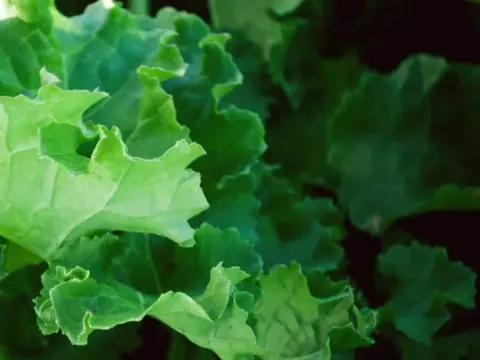
Raphanobrassica
x Raphanobrassica spp.
Raphanobrassica seeds are primarily sown in early spring as soon as the soil warms up to 5–8 degrees Celsius. The optimal sowing period occurs when stable positive temperatures are established, allowing the plants to root quickly.
What the section contains


Raphanobrassica
For maximum vegetative mass, a row-cropping method with spacing between 15 and 30 centimeters is practiced. Seeds are planted at a depth of 2–3 centimeters, ensuring uniform germination under adequate soil moisture conditions.
The crop is characterized by rapid initial growth, enabling it to successfully compete with weeds during early development. In regions with mild climates, late-autumn sowing is possible to obtain early green mass in the following season.
Seeding rates are calculated based on usage goals: silage production requires a denser stand, while seed production benefits from a wider spacing. On average, the seed rate ranges from 10 to 15 kilograms per hectare.
Choosing the correct sowing time is critical, as the crop is sensitive to long day-lengths, which may trigger premature bolting and reduce the nutritional quality of the green mass.
Raphanobrassica belongs to the Brassicaceae family and is an intergeneric hybrid of radish (Raphanus sativus) and cabbage (Brassica oleracea). This plant possesses high plasticity to soil and climatic conditions inherited from its parent forms.
The crop performs best on fertile loamy and sandy soils with neutral or slightly acidic pH levels. It is highly demanding in terms of soil moisture, especially during periods of intensive leaf surface growth.
The plant tolerates low temperatures well, including short frosts during early growth, which allows for cultivation in risky farming zones. However, productivity drops significantly during intense heat and drought.
Applying mineral fertilizers, especially nitrogen, is mandatory for high yields, as it stimulates rapid biomass growth. Organic fertilizers should be incorporated during primary autumn tillage.
Agronomic management requires timely cultivation of row spaces to prevent soil crusting and improve aeration of the root system. Proper oxygen access to the roots contributes to the formation of a robust leaf apparatus.
Raphanobrassica yield depends on management intensity and irrigation, varying within wide limits. Under optimal conditions and good management, it can produce 40 to 60 tons of green mass per hectare.
The high productivity of the crop is explained by its ability to recover quickly after partial cutting, allowing for multiple harvests within a single growing season under favorable conditions.
The green mass quality is noted for high protein, sugar, and mineral content, making it a valuable feed component for livestock. Crude protein content in dry matter can reach 15–18 percent.
To achieve maximum yield indicators, nitrogen-phosphorus fertilization after each cutting is recommended. This ensures rapid regrowth of shoots and maintains high photosynthetic intensity.
Using the hybrid as a green manure crop also allows for significant improvement in soil structure, enriching it with organic matter and suppressing soil pathogens within crop rotations.
Major pests of the crop include flea beetles, which pose the greatest danger during the cotyledon and early leaf stage. A mass outbreak can destroy the entire crop within a few days.
During the growing season, plants are also susceptible to cabbage white butterflies, diamondback moths, and leaf beetles. These insects damage leaf tissues, leading to a reduced assimilation area and lower yields.
Diseases such as clubroot and downy mildew (peronospora) are the most common. Clubroot affects the root system by forming galls, which prevents normal water and nutrient absorption from the soil.
Disease prevention involves strict adherence to crop rotation, avoiding Brassicaceae crops on the same field more frequently than once every 3–4 years. Using healthy seeds and controlling weeds—which act as disease reservoirs—is also essential.
Crop protection utilizes both agronomic methods and approved insecticides and fungicides, while strictly observing pre-harvest intervals before feeding to livestock.
Harvesting for green mass is carried out at the budding stage or early flowering when the plant accumulates optimal nutrients. Delaying harvest leads to stem lignification and reduced palatability for animals.
For silage or haylage production, plants are harvested using forage harvesters. Rapid transportation and ensiling are critical because the high moisture content makes the biomass prone to rapid self-heating.
If Raphanobrassica is used for grazing, the time animals spend on the field must be strictly controlled to prevent damage to the root collar and to ensure subsequent regrowth of the forage stand.
For seed collection, harvesting is performed when pods turn yellow and seeds take on the characteristic color for the cultivar. Direct combining is possible when the maturity of the entire field is uniform.
Post-harvest processing includes cleaning, drying to a moisture content of 10–12 percent, and storage in dry, well-ventilated facilities, ensuring high germination viability for several years.