
Raphanobrassica
hybrids between Raphanus sativus L. and Brassica oleracea L.
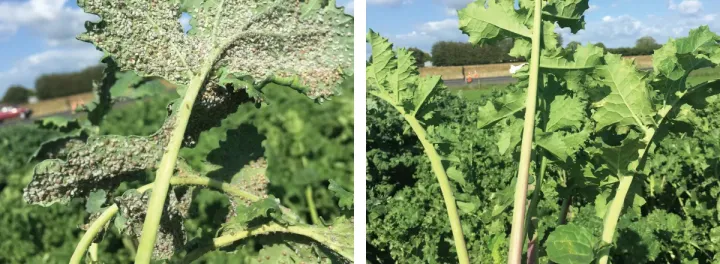
Description
Sowing dates
Raphanobrassica is typically sown in early spring, as soon as the soil reaches physical maturity and warms up to 5-8 degrees Celsius. For forage purposes, summer sowing is also possible, usually conducted in mid-July following the harvest of winter grain crops.
The seeding rate largely depends on the cultivation method, typically ranging from 15 to 20 kilograms per hectare. Seeds should be planted at a depth of 2 to 3 centimeters, depending on soil type and mechanical composition, to ensure proper emergence.
The crop possesses high germination energy and forms uniform sprouts even under cool weather conditions. Ensuring firm soil-to-seed contact is essential for uniform development during the initial growth stages.
When using a relay cropping system, seeds are sown at 10-15 day intervals. This strategy allows farmers to ensure a continuous supply of fresh, high-quality green fodder throughout the entire summer season.
The recommended row spacing is between 15 and 30 centimeters. This density promotes rapid row closure, which naturally suppresses weed growth and reduces the need for mechanical or chemical weeding.
Growing requirements
Raphanobrassica is an intergeneric hybrid derived from crossbreeding Raphanus sativus (radish) and Brassica oleracea (cabbage), belonging to the Brassicaceae family. It is valued for its versatility and high adaptability to various growing conditions.
The crop requires high moisture levels during its active growth period. The best results are achieved on fertile loam and chernozem soils with a neutral or slightly acidic pH balance.
Sufficient light is crucial for the development of Raphanobrassica. The plants do not tolerate heavy shading, and proper site selection is vital for maximizing biomass production in an intensive farming system.
The soil must be well-structured and free from perennial weeds. Deep tillage before sowing is a necessary agrotechnical practice, as the plant is sensitive to soil compaction which restricts root system function.
A moderate temperature regime is ideal for Raphanobrassica. It tolerates cooler temperatures better than high heat; excessive heat combined with drought conditions can significantly reduce overall crop productivity.
Yield
The primary use of Raphanobrassica is the production of high-protein green fodder. It is highly valued in dairy farming for its nutritional profile, which includes essential proteins and carbohydrates.
With proper agronomic management, biomass yields can reach 400-600 quintals per hectare. Productivity is highly dependent on mineral nutrition levels, particularly the application of nitrogen fertilizers during the active growth phase.
Beyond its use as fodder, Raphanobrassica serves as an excellent cover crop (green manure). Its deep, vigorous root system improves soil structure and helps suppress soil-borne nematodes.
The plant has a strong regenerative capacity, allowing for multiple cuts within a single growing season. This feature makes it an economically viable option for intensive livestock operations looking for sustainable feed sources.
The crop is highly palatable to various livestock, including cattle and sheep, due to its favorable nutritional balance and lack of strong, bitter compounds often found in other forage brassicas.
Main diseases and pests
The main biological threats to Raphanobrassica include pests common to the Brassicaceae family. Crucifer flea beetles are particularly dangerous, as they can devastate seedlings if not controlled early.
Other significant pests include cabbage moths, rape blossom beetles, and various aphid species. Regular monitoring of fields is essential for timely intervention and protection of the potential harvest.
Disease threats include clubroot, downy mildew, and alternaria leaf spot. These infections spread rapidly under humid and cool conditions, especially if crop rotation cycles are not strictly followed.
Maintaining spatial isolation from other cruciferous crops and implementing proper crop rotation are critical steps in reducing the infection pressure and limiting pest populations.
An integrated pest management (IPM) approach, combining preventive measures with targeted and safe insecticide applications, is the best strategy for ensuring healthy and high-yielding crops.
Harvesting
Harvesting for green fodder should occur at the late budding or early flowering stage. This is when the plants contain the highest concentration of nutrients and essential vitamins.
Standard forage harvesters or mowers are used for cutting the crop. It is important to maintain a cutting height of at least 5-8 centimeters to ensure optimal regrowth of the plants for subsequent cuts.
Once harvested, the biomass should be used immediately or preserved as silage. When ensiling, the crop often requires wilting or mixing with drier forage components to ensure proper fermentation.
When grown as a green manure, the crop should be mowed and incorporated into the soil before the onset of flowering. This ensures the maximum addition of organic matter to the soil.
Timely harvest is critical to preventing nutrient loss and maintaining the optimal balance of biochemical components, ensuring high-quality feed for livestock or maximum soil fertilization benefits.