
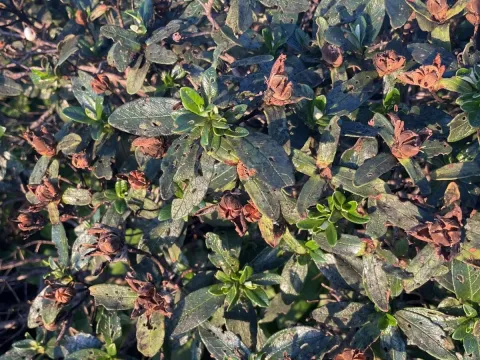
Halimiocistus
x Halimiocistus Janch.
Halimiocistus (x Halimiocistus) is an intergeneric hybrid resulting from the crossing of Cistus and Halimium, both belonging to the Cistaceae family. This evergreen shrub is highly valued for its compact growth habit, attractive foliage, and showy flowers that resemble those of its parents.
What the section contains

Halimiocistus
The culture thrives in full sun and requires a well-ventilated environment to maintain its health. It is an excellent choice for xeriscaping or rock gardens where high light levels and Mediterranean-like conditions are prevalent throughout the growing season.
Soil requirements are strict: the substrate must be poor, gritty, or sandy, with excellent drainage. Halimiocistus cannot tolerate wet or heavy soils, as moisture retention around the root collar quickly leads to root decay and overall plant failure.
Once established, the plant is remarkably drought-tolerant, making it suitable for low-maintenance landscapes. Irrigation should be restricted to periods of extreme drought and only when the soil has completely dried out, avoiding any form of overwatering.
Temperature sensitivity is a key factor; this hybrid is adapted to mild climates. In regions with freezing winters, it should be grown in containers that can be moved indoors, or provided with heavy mulch and winter protection to survive the dormant period.
Fungal diseases are the primary threat, especially in humid or poorly drained conditions. Powdery mildew can occur on leaves if air circulation is insufficient, leading to unsightly patches and reduced vigor of the shrub.
Root rot is the most serious threat, usually associated with waterlogged soils. Ensuring that the planting site has a high percentage of gravel or horticultural sand is the most effective way to prevent soil-borne pathogens from attacking the root system.
Pests such as aphids can occasionally colonize young growth during the spring surge. In sheltered or indoor environments, spider mites can become an issue if humidity levels are kept too low for an extended duration.
Integrated pest management involves monitoring for early symptoms and ensuring proper horticultural hygiene. Chemical intervention is rarely required if the plant's environmental needs are met, as the species generally possesses good natural resilience.
- Maintain spacing to ensure adequate airflow between plants.
- Use systemic fungicides only if fungal infections become systemic.
- Prune dead wood annually to improve plant structure and hygiene.