
Halimiocistus wintonensis
x Halimiocistus x wintonensis hort. ex Warb. & E. F. Warb.
Description
Growing requirements
Halimiocistus wintonensis is a distinct intergeneric hybrid belonging to the Cistaceae family, created by crossing species from the Halimium and Cistus genera. It is a prized evergreen shrub in ornamental horticulture.
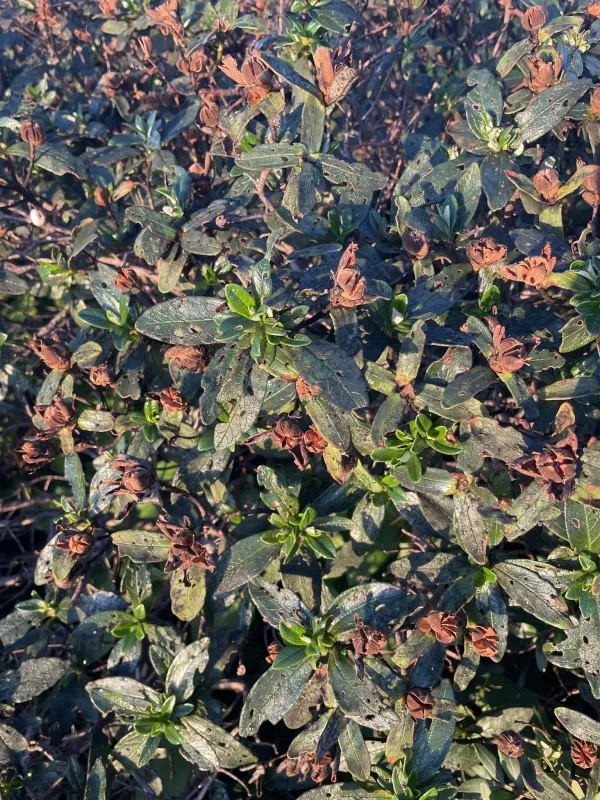
The plant exhibits a low-growing, spreading habit with lance-shaped leaves and beautiful flowers, often featuring prominent spots at the base of the petals, which adds to its visual appeal.
Cultivation requirements necessitate high light exposure, preferably full sun, to ensure vigorous growth and flower production. Well-draining, stony, or sandy soil is absolutely critical for the survival of this species.
In terms of climate, it thrives in regions with mild winters, mirroring its Mediterranean ancestors. It is not suitable for harsh, frost-prone climates unless provided with significant winter protection.
The main horticultural application of this shrub is in rock gardens, gravel beds, and dry landscapes where its ability to withstand low nutrient levels and periodic drought is an asset.
Main diseases and pests
The most significant threat to the health of Halimiocistus wintonensis is root rot, which typically develops in heavy, waterlogged soils with poor drainage.
Fungal diseases, including powdery mildew, can occasionally affect the foliage, especially in environments with poor air circulation or excessive humidity.
Insect pests such as aphids and spider mites are common concerns that can damage the developing buds and young shoots during hot and dry spells.
To prevent these issues, it is essential to plant in a site with ample airflow and to avoid excessive irrigation that keeps the soil constantly moist.
Pruning should be performed carefully after the flowering period to remove dead wood and encourage a dense, healthy canopy structure, which reduces vulnerability to pests.