
Wisteria Valderi
Wisteria x valderi J. Compton
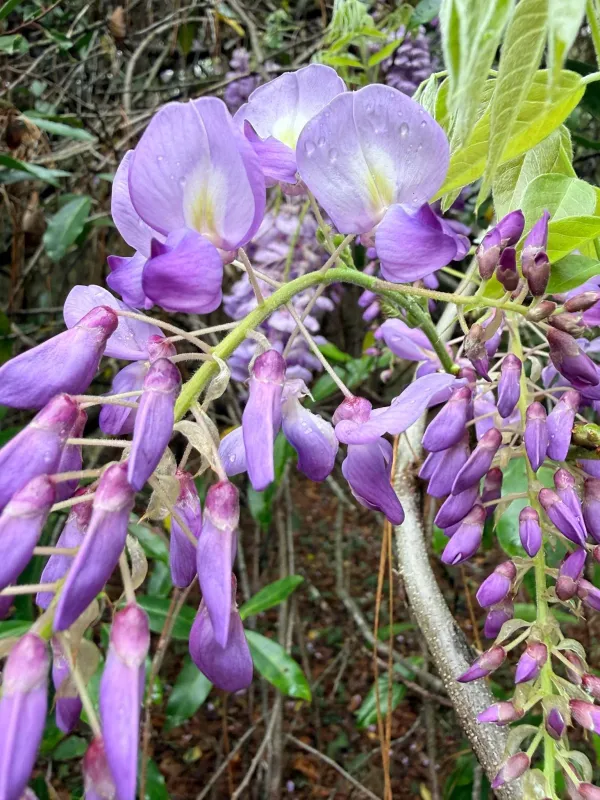
Description
Growing requirements
Wisteria x valderi is a hybrid woody climbing vine belonging to the Fabaceae family. This ornamental crop is widely cultivated for its vigorous growth and impressive flowering clusters that drape beautifully over pergolas, walls, and fences.
The plant thrives in full sun, which is essential for consistent and prolific blooming. A location sheltered from harsh, drying winds is preferred to protect the delicate developing flower buds from frost damage during early spring.
Soil requirements include deep, fertile, and well-drained medium. While the species is somewhat adaptable, it performs best in neutral to slightly acidic soil compositions that maintain moisture without becoming waterlogged.
Training and pruning are critical components of the crop's agrotechnology. Annual pruning of side shoots is necessary to encourage short, flowering spurs, which improves the overall visual appeal and ensures a higher density of blooms.
Fertilization should be handled with care, prioritizing potassium and phosphorus applications. Excessive nitrogen usage promotes vegetative growth, which may delay or completely prevent the formation of the signature hanging flowers.
Main diseases and pests
Chlorosis is a common physiological issue occurring in alkaline soils, characterized by yellowing leaf tissue while veins remain green. Soil acidification or application of chelated iron can effectively address this nutrient imbalance.
Powdery mildew represents a frequent fungal threat in humid conditions with poor air circulation. Regular thinning of the canopy helps maintain adequate airflow, reducing the risk of fungal establishment.
Spider mites are common pests that thrive during hot, dry spells. They cause foliage to appear speckled and dull, significantly reducing the photosynthetic capacity of the plant if left untreated.
Aphids often target young shoots and buds during the active growing season. Integrated pest management using systemic insecticides or neem oil can help maintain a clean and healthy foliage structure.
Root rot caused by Phytophthora species is a serious risk in poorly drained garden sites. Ensuring high-quality drainage and avoiding excessive irrigation are the primary prevention measures for long-term health.