
Silky wisteria
Wisteria brachybotrys Siebold & Zucc. x Wisteria x formosa Rehder
Description
Growing requirements
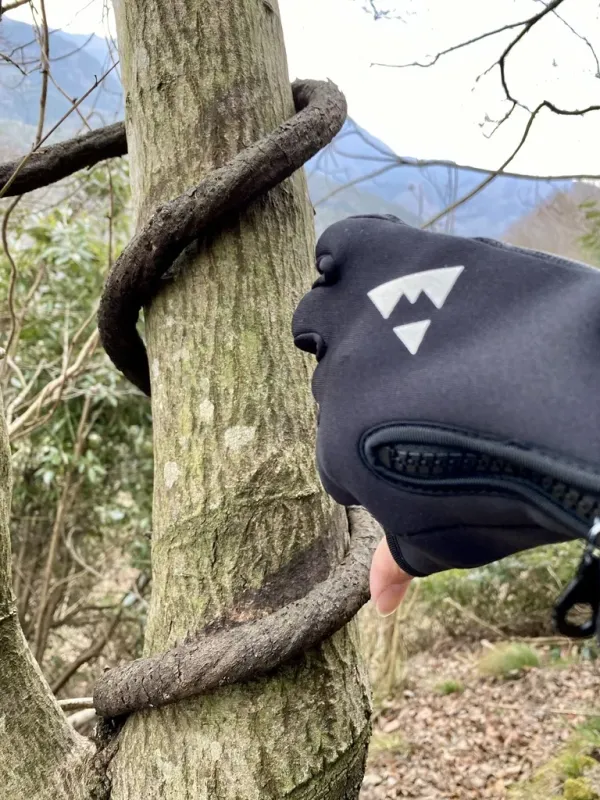
Silky wisteria (Wisteria brachybotrys), belonging to the Fabaceae family, is a vigorous deciduous climbing vine highly valued for its large, fragrant, and dense racemes. It is characterized by its broad, velvety leaflets that provide a unique texture compared to other wisteria species.
The plant thrives in full sun, which is essential for stimulating bud formation and achieving maximum floral display. While it can adapt to partial shade, light intensity directly correlates with the quantity and duration of the blooming period during spring.
Ideal soil conditions include deep, nutrient-rich, and well-drained loams. It is adaptable but prefers a slightly acidic to neutral pH. Avoid waterlogged soils, as poor drainage is the primary cause of root failure in this woody vine species.
Regular pruning is a fundamental agronomic practice for this crop. A two-stage pruning system, involving summer thinning of secondary shoots to 3-5 buds and late winter structural pruning, is necessary to maintain shape and maximize bloom quality.
The vine requires sturdy, long-term support structures due to its massive biomass and woody stems. Installing permanent trellises or arbors during the initial planting phase is necessary to prevent structural collapse as the plant matures.
Main diseases and pests
Chlorosis is a frequent disorder resulting from iron deficiency, often triggered by high soil alkalinity. The use of chelated iron supplements and organic mulching to slightly lower soil pH can mitigate this issue effectively.
Aphids are the most common insect pest, typically targeting the succulent tips of young growth. Managing aphid populations is crucial to prevent the transmission of viral diseases and the development of sooty mold on the foliage.
Powdery mildew may occur when humidity is high and airflow is poor. Improving canopy ventilation through precise pruning is the best preventive measure, though fungicidal applications may be required in severe seasonal outbreaks.
Spider mites can become problematic during hot, dry summer months. Maintaining adequate soil moisture and high local humidity helps prevent infestation, while specialized miticides are used if threshold levels of damage are exceeded.
Root rot, particularly caused by Phytophthora species, remains a major threat in poorly drained soils. Adherence to strict irrigation management and ensuring high-quality drainage systems are the primary methods for long-term plant health maintenance.