
American wisteria
Wisteria frutescens (L.) Poir.
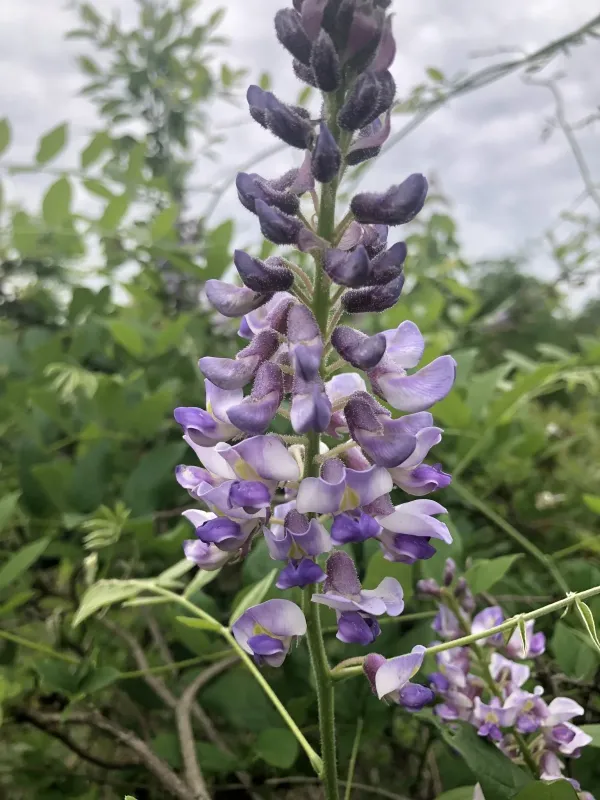
Description
Growing requirements
American wisteria (Wisteria frutescens) is a deciduous, woody vine belonging to the Fabaceae family. Unlike its invasive Asian counterparts, this species is less aggressive, making it a sustainable and manageable choice for various landscaping projects.
Native to the southeastern United States, this plant thrives in moist forest habitats. In a garden setting, it requires a location with full sun to partial shade, where it receives at least six hours of direct sunlight to support optimal floral production.
The ideal soil for American wisteria is rich, slightly acidic, and well-drained. While the plant can tolerate various soil textures, it flourishes in loam that retains moisture without becoming waterlogged, which is crucial for root health.
Cultivation requires strong support structures, such as pergolas, trellises, or sturdy fences. As the vine grows, it requires regular maintenance and training to ensure it climbs securely and maintains a balanced aesthetic shape.
Agricultural management involves regular watering during the first growing seasons and consistent fertilization with a balanced, slow-release fertilizer in early spring to promote vigorous growth and healthy bud development.
Main diseases and pests
American wisteria is generally resistant to most severe diseases, but it is prone to chlorosis in alkaline soils. This condition presents as yellowing leaves with green veins and is easily corrected with iron chelates or soil acidification.
Aphids are the most common pests, often clustering on new growth and flower buds. Controlling them early in the season with horticultural soaps or neem oil is usually sufficient to protect the health of the plant.
Spider mites may infest the foliage during hot, dry periods. Regular irrigation and maintaining adequate soil moisture can help prevent these pests, though persistent infestations might require targeted acaricides.
Powdery mildew can occur if air circulation is poor, particularly in humid or overcrowded conditions. Pruning to open the canopy and ensure good airflow is the primary cultural control method against fungal infections.
Regular inspection is essential for long-term health. Monitoring the undersides of leaves and the condition of the stems allows for the early detection and management of potential threats, ensuring the vine remains vibrant for years.