
Silky Wisteria
Wisteria x formosa Rehder
Description
Growing requirements
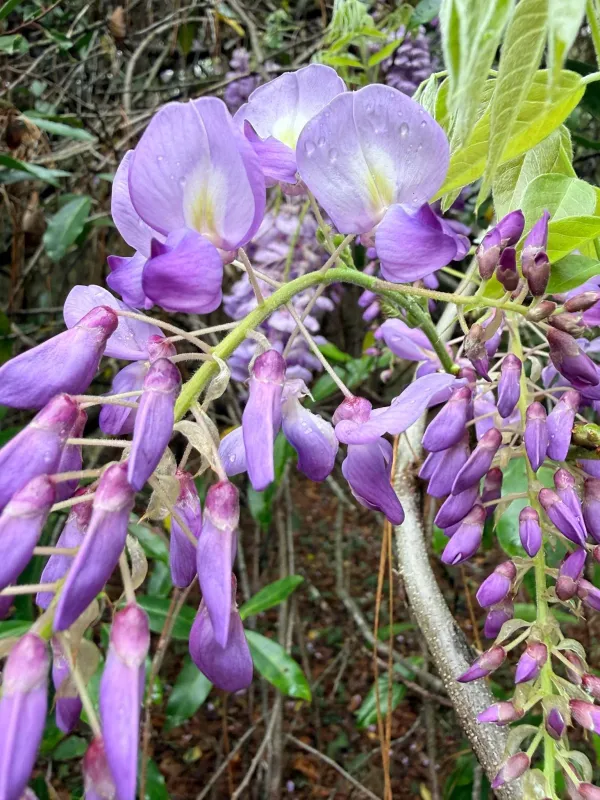
Silky Wisteria (Wisteria x formosa) is a hybrid woody climbing vine belonging to the Fabaceae family. This ornamental cultivar is a result of cross-breeding between Wisteria floribunda and Wisteria sinensis, exhibiting vigorous growth and striking floral displays.
The plant thrives in warm, temperate climates and requires a sunny location to ensure optimal blooming. It is essential to provide a sturdy support structure, as mature vines can become quite heavy and require ample space to spread.
Soil conditions should be well-drained, fertile, and slightly acidic to neutral. Wisteria does not tolerate waterlogging, so soil aeration and proper drainage systems are critical to preventing root rot and ensuring the plant remains healthy throughout the year.
Good agricultural practices for this plant involve meticulous pruning. Annual pruning sessions are necessary to maintain size, stimulate the formation of new flowering spurs, and manage the plant's overall architecture against structures like pergolas or walls.
The primary use of Silky Wisteria is in landscaping, where it serves as a focal point for vertical gardens. Its rapid growth and fragrant, pendulous racemes make it an excellent choice for screening, shading, and enhancing the visual appeal of architectural features.
Main diseases and pests
Common pests affecting Wisteria x formosa include aphids, scale insects, and spider mites. These pests typically congregate on the undersides of leaves and on soft stems, requiring the application of horticultural oils or systemic insecticides for effective mitigation.
Fungal issues such as powdery mildew may occur during seasons with high humidity and poor airflow. Managing plant density and ensuring good air circulation between branches are the most effective cultural methods to prevent fungal infections and maintain plant vigor.