
Japanese wisteria
Wisteria floribunda (Willd.) DC.
Description
Growing requirements
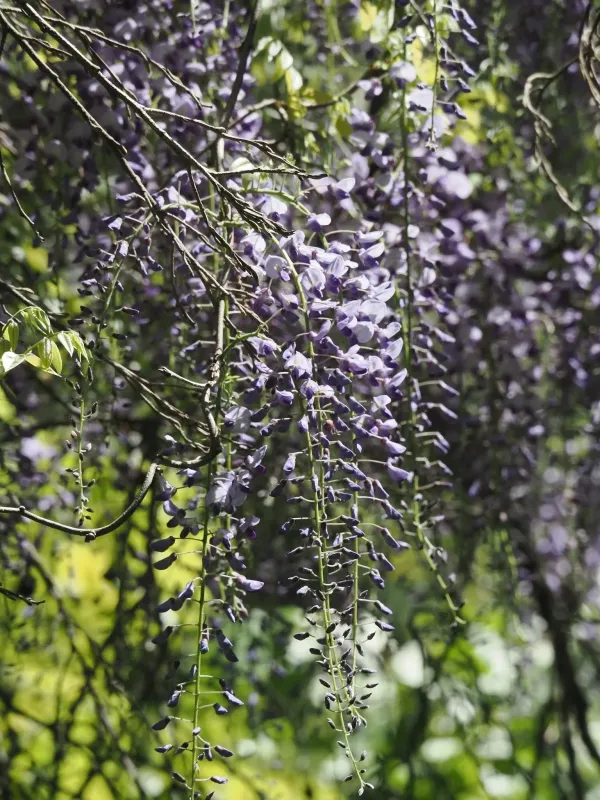
Japanese wisteria (Wisteria floribunda) is a vigorous, deciduous woody climber belonging to the Fabaceae family. Native to Japan, this plant is widely recognized for its long, cascading racemes of fragrant flowers that bloom in late spring and early summer.
This species thrives in full sun, which is essential for prolific flowering. The plant requires deep, fertile, moist, and well-drained soil. It performs best in neutral to slightly acidic conditions, as alkaline soils often lead to nutrient deficiencies such as iron chlorosis.
The climate requirements emphasize the need for a long, warm growing season. While hardy, Japanese wisteria requires protection from harsh, drying winds and extreme frost in its juvenile years. Mature plants are generally more resilient but still benefit from sheltered locations against south-facing walls.
Agrotechnics for this plant rely heavily on structural pruning. A bi-annual pruning regime is critical: summer pruning helps manage the vegetative growth and promote flowering, while winter pruning ensures the removal of dead wood and maintains the desired shape of the plant.
Host use of this plant is primarily ornamental. It is a staple in landscaping for covering large structures like pergolas, trellises, and robust garden arches. Its structural beauty and rapid growth rate provide excellent seasonal shade and a dramatic visual impact in private and public gardens.
Main diseases and pests
Common diseases affecting Japanese wisteria include powdery mildew and root rot caused by poor soil drainage. Ensuring proper air circulation around the canopy and avoiding waterlogging are the best preventive measures to maintain plant health throughout the season.
Pest management focuses on controlling aphids and spider mites, which can infest the foliage during hot, dry spells. Regular monitoring and the application of appropriate biological or chemical pesticides are recommended to prevent significant damage to the plant's decorative leaves.