
Chinese wisteria
Wisteria sinensis (Sims) DC.
Description
Growing requirements
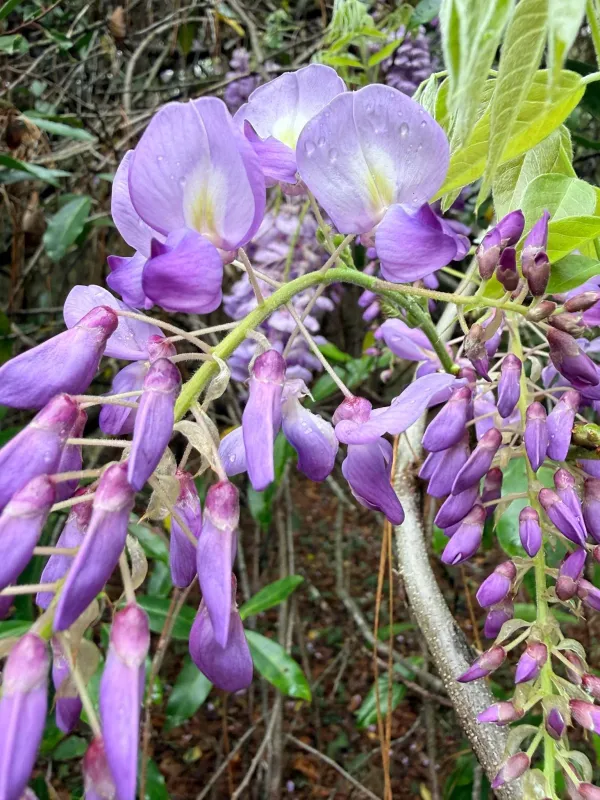
Chinese wisteria (Wisteria sinensis) is a vigorous deciduous climbing vine belonging to the Fabaceae family. Native to China, this plant is widely cultivated in temperate climates for its spectacular, fragrant pendulous racemes of violet or blue flowers.
This species requires a sunny position, ideally receiving at least six hours of direct sunlight daily to produce profuse blooms. It thrives when trained against south-facing walls or sturdy pergolas that provide both support and protection from harsh winds.
The ideal soil for this cultivar is a deep, fertile, and well-drained loam with a neutral to slightly acidic pH. While it is adaptable, it performs poorly in soils that become waterlogged, as stagnant moisture around the roots can lead to root decay.
Maintenance involves routine watering during the first few years after establishment, particularly in hot summer months. Once mature, the plant develops a deep root system, allowing it to withstand brief dry spells without significant loss of vigor.
Pruning is the most critical aspect of wisteria management, requiring two sessions per year. Summer pruning manages the rampant vegetative growth, while late winter pruning aims to spur the development of flowering spurs for the upcoming spring season.
Main diseases and pests
Common pests affecting Wisteria sinensis include aphids, scale insects, and spider mites. These sap-sucking pests can weaken the vine if left unchecked, so regular monitoring and the use of horticultural oils or systemic insecticides are recommended.
Powdery mildew is a frequent fungal threat, especially in seasons with fluctuating humidity. Proper plant spacing and ensuring good airflow within the vine canopy are the most effective preventative measures to keep the foliage healthy throughout the growing season.
Leaf chlorosis is frequently encountered in alkaline soils where the plant struggles to uptake iron. This condition is easily corrected by applying iron chelate treatments to the soil or using specialized fertilizers designed for acid-loving ornamental plants.
Root rot is a significant danger in poorly drained clay soils, often leading to sudden wilting and dieback. Ensuring that the planting site has adequate drainage and avoiding excessive mulching near the stem base are essential to prevent moisture-related issues.
Frost damage to emerging flower buds in early spring can result in a complete lack of blooms for that year. In colder zones, protecting the buds with horticultural fleece during unexpected cold snaps can help preserve the floral display for the season.