
Wild strawberry
Fragaria vesca L.
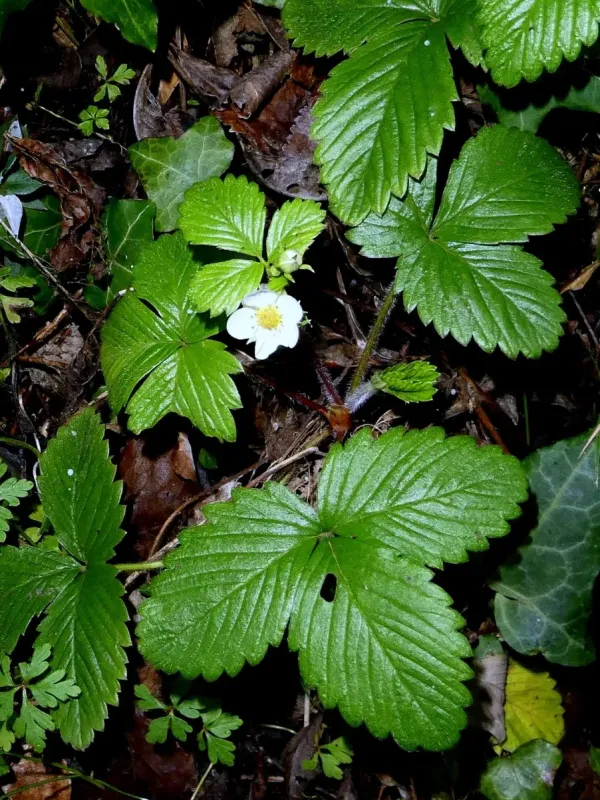
Description
Sowing dates
Wild strawberry (Fragaria vesca L.) is a perennial herbaceous plant belonging to the Rosaceae family. It is widely valued for its intense aroma and medicinal properties.
Seeds can be sown in late winter or early spring. They require a cold stratification period of several weeks to improve germination rates, mimicking winter conditions.
The seeds should be surface-sown on fine, well-draining soil. Because they are light-dependent, they should not be buried deep, but rather lightly pressed into the surface.
Maintaining a constant humidity level is crucial during the germination phase. Covering the container with plastic or glass helps retain moisture until the first sprouts appear.
Once seedlings have developed two sets of true leaves, they should be transplanted into individual pots or a nursery bed to grow stronger before being set out in their final location.
Growing requirements
Wild strawberry thrives in temperate climates. It prefers sunny to semi-shaded positions, provided the soil remains consistently moist but not waterlogged.
The soil should be rich in organic matter, slightly acidic, and well-draining. Adding compost or leaf mold before planting significantly boosts growth and berry production.
Adequate spacing is necessary to ensure good air circulation, which helps prevent fungal infections. Plants should be set about 30–40 cm apart for best results.
Watering is critical during the flowering and fruit-setting stages. Avoid overhead irrigation during sunny hours to prevent leaf scorch and fungal diseases on the foliage.
During winter, a layer of mulch or straw can protect the crowns from extreme cold, especially in regions with little snow cover.
Yield
Although individual berries are smaller than cultivated garden strawberries, their flavor and vitamin concentration are significantly higher and more intense.
Productivity peaks in the second and third years. Well-maintained plants can provide a steady supply of fruit for several weeks during the summer season.
The yield can be optimized by removing excess runners, which diverts the plant's energy toward fruit production instead of vegetative propagation.
Harvesting wild strawberries requires time, but the culinary value of these berries in jams, desserts, and fresh garnishes makes the effort highly rewarding.
The leaves of the plant are also harvested and dried for herbal teas, which are traditionally used for their diuretic and anti-inflammatory benefits.
Main diseases and pests
Fungal issues such as leaf spot and powdery mildew are the most common problems, especially when plants are grown in damp or stagnant air conditions.
Pests like spider mites and strawberry weevils can cause significant damage to the foliage and buds. Regular monitoring of the plant crown is essential.
Cultural control, such as avoiding high-nitrogen fertilizers and ensuring proper drainage, acts as the first line of defense against most diseases.
In case of severe infestations, organic soaps or neem-based products are often recommended to manage pest populations without harming beneficial pollinators.
- Powdery mildew (Podosphaera aphanis)
- Spider mites (Tetranychidae)
- Strawberry blossom weevil
- Grey mold (Botrytis cinerea)
Harvesting
The harvest period occurs in early to mid-summer. Berries should be picked when they are fully red and pull away easily from the calyx.
It is best to pick strawberries in the morning, after the dew has evaporated, to ensure they remain firm and have the longest shelf life.
Because the berries are highly perishable, they should be consumed or processed as soon as possible after picking to retain their fresh flavor.
Care should be taken to handle the fruit gently. Using small containers prevents the weight of the berries from crushing those at the bottom of the pile.
Post-harvest care involves clearing away dead foliage and weeds to ensure the plant can focus on forming new buds for the next growing season.