
Fragaria vescana
Fragaria x vescana Rud. Bauer & A. Bauer
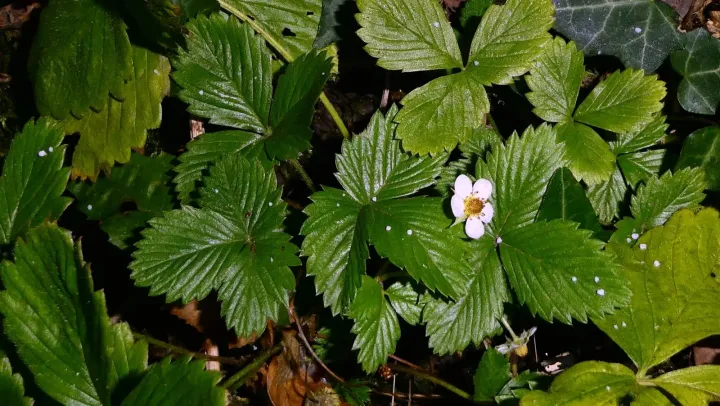
Description
Growing requirements
Fragaria x vescana is a distinctive interspecific hybrid developed by crossing the garden strawberry (Fragaria x ananassa) with the wild woodland strawberry (Fragaria vesca). It belongs to the Rosaceae family.
The primary goal behind the breeding of this cultivar was to merge the large fruit size characteristic of commercial strawberries with the intense, unique aroma of wild strawberries.
The plants exhibit vigorous growth and are generally well-adapted to temperate climates, showing preference for well-drained loamy soils rich in organic matter.
Optimal site selection includes full sun exposure, which is crucial for maximizing photosynthetic activity and the accumulation of natural sugars in the berries.
Soil moisture management is vital for this culture; it requires consistent irrigation schedules to support the plant through its flowering and heavy fruiting stages.
Main diseases and pests
Fragaria vescana is susceptible to standard strawberry pathogens, primarily various leaf spot diseases which can weaken the plant if not properly managed through sanitation.
Grey mold (Botrytis cinerea) represents a significant risk during periods of high humidity and rainfall, necessitating the use of mulching materials to keep the fruits off the ground.
Pest management protocols must address common threats such as the strawberry blossom weevil and spider mites, which can cause severe physiological stress to the plants.
Powdery mildew is another environmental challenge, especially in regions with fluctuating day and night temperatures, requiring effective ventilation in planting layouts.
Sustainable pest control often involves a combination of resistant cultivar selection, crop rotation, and the judicious use of biological control agents to maintain health.