
Iinuma strawberry
Fragaria iinumae Makino
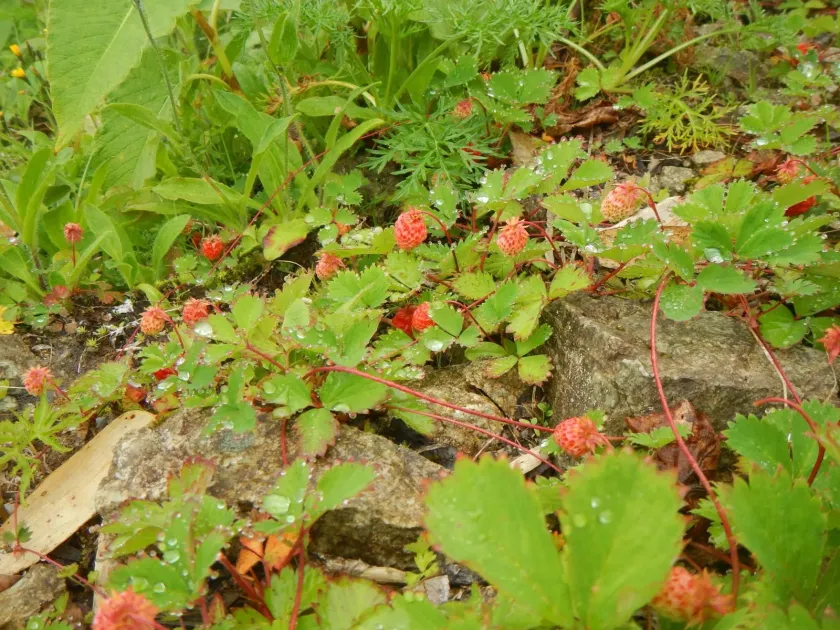
Description
Growing requirements
The Iinuma strawberry (Fragaria iinumae) is a distinct perennial plant within the Rosaceae family. It is recognized primarily for its rare occurrence and its specific adaptation to high-latitude or high-altitude ecosystems.
Native to the mountainous regions of Japan, this species is typically found in cool, moist forest environments. Its geographical range is restricted, which defines its role as a specialized plant rather than a widespread agricultural crop.
To cultivate this species, it is essential to mimic its natural habitat. It requires a shady environment, high atmospheric humidity, and a well-drained, humus-rich soil that remains consistently moist without becoming waterlogged.
Botanically, the plant is distinguished by its specific leaf morphology and flower structure, which differentiate it from the common garden strawberry (Fragaria × ananassa). It remains a subject of great interest in genetic research for its potential resistance traits.
Commercial utilization of the Iinuma strawberry is virtually non-existent; however, it serves as a valuable genetic resource for breeders aiming to develop new strawberry varieties with improved environmental adaptability and stress tolerance.
Main diseases and pests
Like many wild species of the Fragaria genus, this plant is vulnerable to various fungal pathogens including powdery mildew and Botrytis, which can thrive in damp, enclosed forest microclimates.
Pests such as mites, aphids, and various soil-borne insects pose a threat to the plant’s health. In natural settings, these pests are often kept in check by a complex ecological balance, which is harder to maintain in smaller patches.
Management strategies focus on maintaining strict hygiene in the cultivation area. Preventing moisture accumulation on foliage and ensuring proper air circulation around the plants is critical to preventing infection outbreaks.
Chemical control should be approached with extreme caution, as the species' tolerance to standardized commercial fungicides and insecticides has not been extensively tested, potentially risking phyto-toxicity.
Invasive weed species can rapidly outcompete the slow-growing Iinuma strawberry, making manual weeding and careful site maintenance essential for the survival and health of any cultivated specimens.