
Garden strawberry
Fragaria x ananassa Duchesne ex Rozier
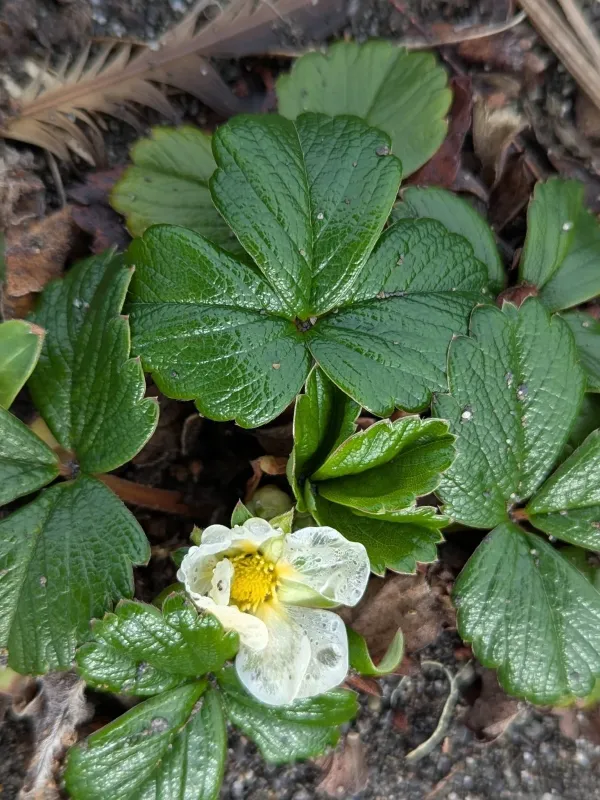
Description
Sowing dates
Garden strawberries are primarily planted in spring once the soil temperature reaches 10-12 degrees Celsius, or during the late summer window for optimal establishment.
Autumn planting is highly effective in many climates, as it allows the root system to become established before the onset of extreme winter temperatures.
Modern nursery practices often use plug plants, which offer significant flexibility in planting schedules and higher survival rates in various environmental conditions.
Proper soil preparation, including the incorporation of organic matter and deep tillage, is essential for promoting vigorous root development in newly planted strawberries.
Propagation is predominantly achieved through runners, which are vegetative offsets that develop from the parent plant throughout the growing season.
Growing requirements
Fragaria x ananassa, a member of the Rosaceae family, thrives in well-drained loamy soils with a pH level typically between 5.5 and 6.5 for nutrient availability.
The plant requires consistent moisture, particularly during the flowering and fruit-setting stages, making drip irrigation an indispensable tool in commercial production.
Originating from the hybridization of American species, the garden strawberry is well-adapted to temperate climates but requires adequate sunlight for optimal sugar accumulation.
Effective weed management is crucial, as weeds compete for essential water and nutrients while potentially harboring pests and diseases that affect the berry crop.
Proper spacing between plants is required to ensure adequate airflow, which is critical for reducing humidity around the foliage and preventing fungal outbreaks.
Yield
The yield of garden strawberries under intensive management systems typically ranges from 15 to 30 metric tons per hectare depending on the variety and local conditions.
High-yield production is supported by advanced fertigation systems, which deliver precise quantities of water and nutrients directly to the root zone of the plants.
The use of tunnel or greenhouse production methods can significantly extend the harvest season and increase the total yield by providing a controlled environment.
Productivity typically peaks in the second or third year of the plantation, after which the vigor of the plants naturally begins to decline over time.
Regular maintenance and the removal of unproductive plants are necessary to maintain high yield benchmarks throughout the lifespan of the strawberry patch.
Main diseases and pests
The primary pathological threats to strawberries include gray mold (Botrytis cinerea), which can devastate harvests during periods of high humidity and rainfall.
Common pests such as the strawberry mite and various species of weevils can cause significant damage to foliage and developing fruit if left unmanaged.
Integrated Pest Management (IPM) strategies, including the use of biological controls and selective chemical applications, are standard in modern strawberry farming.
Cultural practices, such as mulching with straw or plastic, play a vital role in preventing direct soil contact and reducing the incidence of soil-borne pathogens.
- Powdery mildew
- Anthracnose
- Verticillium wilt
- Tarnished plant bug
Harvesting
Harvesting garden strawberries is a labor-intensive process that must be performed carefully to avoid bruising the delicate fruit and compromising shelf life.
Fruit should be picked in the cool morning hours and placed in ventilated containers to prevent rapid post-harvest decay and minimize temperature spikes.
Strategic harvesting involves picking fruit at the correct stage of ripeness based on the intended market destination, whether for fresh consumption or processing.
Field sorting and packing are common practices that ensure quality standards are met while reducing the need for further handling once the produce arrives at the warehouse.
Immediate post-harvest cooling is the most critical step in maintaining the freshness, color, and nutritional value of strawberries for the consumer market.