
Iinuma's strawberry
Fragaria iinumae x Fragaria vesca
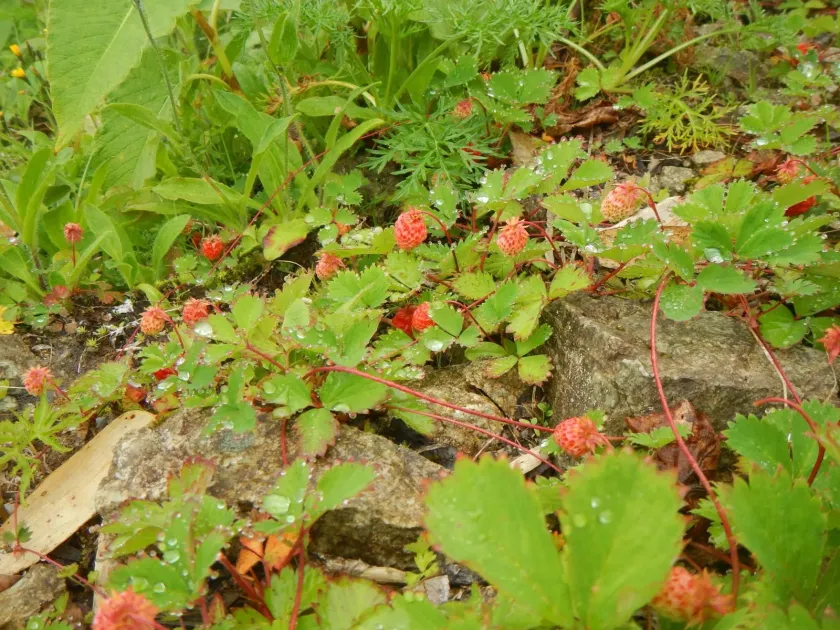
Description
Growing requirements
Iinuma's strawberry (Fragaria iinumae) is a perennial herbaceous plant belonging to the Rosaceae family. This species is highly valued for its genetic traits and its specific adaptation to high-latitude environments.
The native range of the species covers the subalpine and alpine regions of Northern Japan. These areas are characterized by cool summers and long, snow-covered winters, to which the plant has developed robust physiological resistance.
To cultivate this species, one must provide a cool, semi-shaded environment that mimics its natural woodland habitat. The soil should be slightly acidic, rich in organic matter, and consistently moist, while maintaining an excellent drainage structure to prevent root rot.
Botanically, it is distinguished by its delicate foliage and unique runner production, which allow it to propagate efficiently in harsh conditions. The flowers are typically white, and the fruits are smaller than those of the common garden strawberry.
In agricultural practice, it is rarely grown for commercial fruit production. Instead, it serves as an essential source of genetic material for breeders looking to incorporate wild resilience into modern strawberry cultivars.
Main diseases and pests
Like many species within the genus Fragaria, this plant can be susceptible to Botrytis cinerea, also known as gray mold, particularly if grown in areas with high humidity and poor air circulation during the fruiting phase.
Leaf spot diseases caused by fungi such as Ramularia are common in crowded conditions. Maintaining proper spacing between plants is an effective cultural practice to mitigate the risk of infection and improve overall plant health.
In terms of pests, the strawberry mite and root-knot nematodes are the primary concerns that can negatively impact the plant's vigor. Regular monitoring and integrated pest management strategies are recommended.
The plant is sensitive to excessive chemical fertilizers, which may burn the roots or disrupt the delicate mycorrhizal associations that naturally exist in wild soil conditions.
Effective management involves consistent weeding and manual removal of dead plant debris, which helps reduce the overwintering sites for pathogens and insect pests, ensuring a healthy growth cycle for the next season.