
Wikstroemia trichotoma
Wikstroemia trichotoma
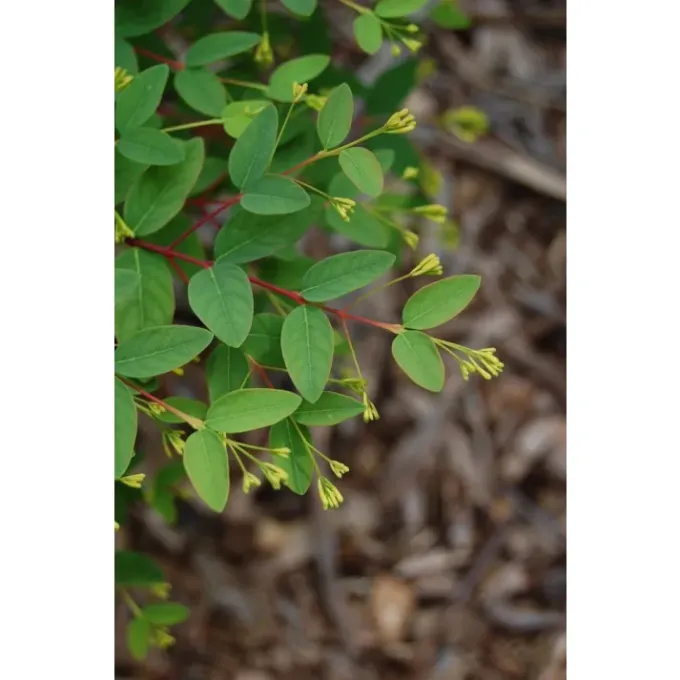
Description
Growing requirements
Wikstroemia trichotoma is a shrubby plant belonging to the Thymelaeaceae family. It is native to East Asia, including regions across China, where it has been cultivated for centuries to extract high-quality fiber from its bark.
The plant thrives in well-drained, fertile soils with a preference for slightly acidic to neutral pH levels. It requires a stable temperate climate and protection from harsh, drying winds, which can damage the young shoots.
Successful cultivation requires careful attention to soil moisture. While the plant can withstand short periods of dryness once established, consistent irrigation during the growth phase significantly improves the density and strength of the fibers.
In agricultural practice, spacing between rows should be sufficient to ensure optimal sunlight penetration. This promotes uniform development of the stems, which is crucial for high-quality raw material production.
The plant exhibits high resistance to many common pests due to the natural chemical compounds found in its tissues. However, periodic monitoring of the crown is recommended to prevent any fungal infections caused by high humidity.
Harvesting
The primary agricultural objective of growing Wikstroemia trichotoma is the harvesting of its bast fiber. This fiber is renowned for its exceptional tensile strength, making it a critical ingredient for artisanal and industrial paper manufacturing.
Harvesting is typically scheduled during the late stages of the growth cycle when the stems reach full maturity. Experienced growers look for specific visual markers in the bark texture to ensure the fibers have developed their full mechanical potential.
Once harvested, the stems undergo traditional processing methods. The bark is stripped, steamed, and cleaned to remove the woody core, ensuring that the resulting fiber remains pure and suitable for high-grade applications.
The subsequent refinement of the fibers involves boiling and bleaching processes that remove lignin and other impurities. This treatment yields a durable pulp capable of producing paper with extreme longevity and resistance to degradation.
The finished product serves various niche markets, ranging from the restoration of ancient documents to the production of high-end stationery and art supplies. The unique combination of softness and structural integrity remains the plant's greatest commercial advantage.