
Wikstroemia canescens
Wikstroemia canescens
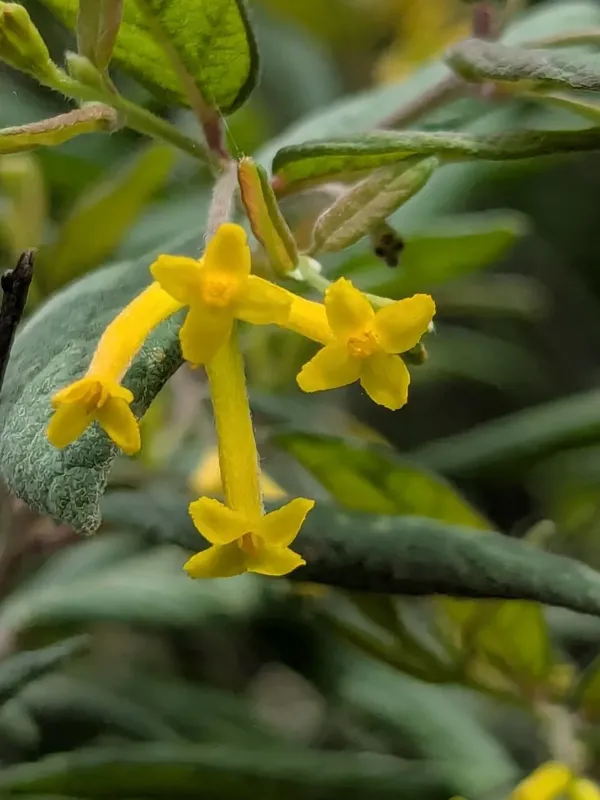
Description
Growing requirements
Wikstroemia canescens is a robust shrub belonging to the Thymelaeaceae family, native to the Himalayan region and parts of East Asia. It is primarily valued for its bast fibers used in artisanal and industrial papermaking.
This species thrives in well-drained, slightly acidic soils. It is known for its soil-binding properties, making it an excellent candidate for erosion control on hillsides alongside its fiber production utility.
The plant prefers temperate to subtropical climates with adequate rainfall. While it can tolerate brief periods of drought once established, consistent moisture is critical for optimal fiber development in the stems.
In terms of cultivation, it requires full sun to partial shade. Proper spacing is essential to ensure adequate airflow, which prevents the development of fungal diseases in the dense foliage of the shrubs.
Maintenance involves routine weeding and the application of balanced organic fertilizers to support the rapid regrowth of stems necessary for annual harvesting cycles.
Main diseases and pests
The primary threat to Wikstroemia canescens is root rot, which typically occurs in waterlogged soil conditions. Ensuring high soil porosity is the main preventative measure against this pathogen.
Leaf spots caused by various fungi can reduce photosynthetic capacity. This usually manifests during periods of high humidity and poor ventilation within the growing plot.
Insect pests, including aphids and spider mites, can damage young shoots. Integrated pest management strategies are advised to keep populations below economic damage thresholds.
Weed competition is a significant concern during the early establishment phase of the plantation, requiring mechanical cultivation to provide the seedlings with enough resources.
To ensure healthy yields, farmers must avoid monoculture stagnation by rotating the planting areas every few years, which disrupts the life cycles of soil-borne pathogens.