
Wikstroemia ganpi
Wikstroemia ganpi
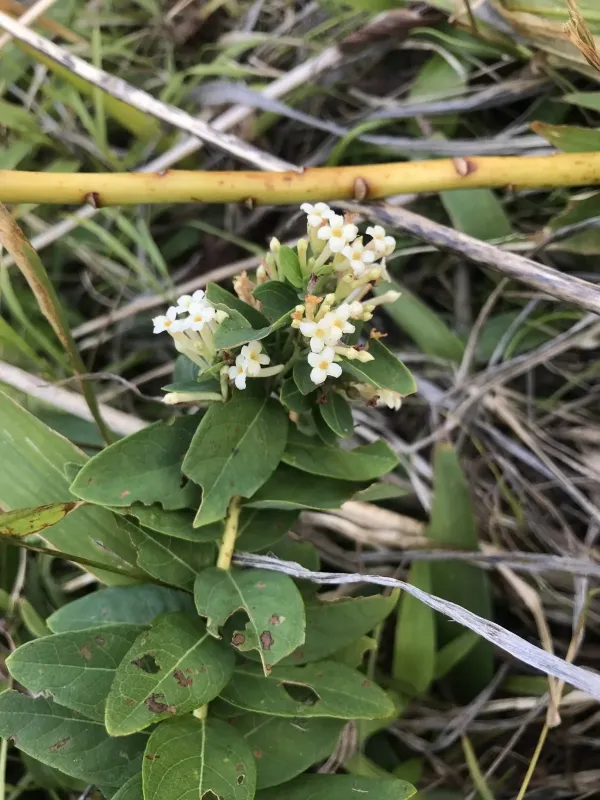
Description
Sowing dates
Seeds of Wikstroemia ganpi are typically sown in spring once the soil has warmed up, ensuring that the risk of late frosts is fully mitigated.
Successful germination requires stratification due to the tough seed coat, which naturally prevents water absorption and delays the sprouting process.
In large-scale production, vegetative propagation via cuttings is preferred, as it ensures genetic consistency and significantly accelerates biomass accumulation.
Optimal planting spacing should consider the long-term growth and root system expansion, with row gaps of up to 1.5 meters being standard practice.
Seedlings should be placed in well-drained soil to prevent water stagnation around the root collar, which is critical during the establishment phase.
Growing requirements
Wikstroemia ganpi belongs to the Thymelaeaceae family and is a resilient shrub adapted to subtropical climates with distinct growth cycles.
The plant thrives in sunny locations, although young specimens can tolerate partial shade, which should be considered during the initial nursery phase.
Soil requirements involve loamy or sandy substrates with a neutral to slightly acidic pH, provided that the soil offers excellent drainage properties.
While the crop exhibits moderate drought tolerance, regular irrigation during the active growth period is essential for producing high-quality fibers.
In colder regions, the shrub requires protection or greenhouse cultivation, as frost can severely damage young shoots and reduce long-term vitality.
Yield
The yield of Wikstroemia ganpi is measured by the volume and quality of bast fiber harvested from the bark of young shrub shoots.
The standard harvesting cycle involves cutting raw material every two to three years, allowing the plant sufficient time to restore its vegetative mass.
Total production depends heavily on planting density and the execution of proper pruning techniques, which stimulate the growth of long, straight stems.
Fiber quality is defined by the cellulose content in the bark, which reaches optimal levels when the crop is properly managed and nourished.
Application of nitrogen-based fertilizers at the beginning of the season enhances shoot development, positively impacting the overall biomass harvest.
Main diseases and pests
The primary threats to this culture are fungal root diseases, which typically develop in waterlogged soil or environments with poor air circulation.
Common leaf pests like aphids and spider mites may infest the plants during dry spells, potentially weakening the shrub's overall health and growth.
Powdery mildew often affects the plant in high humidity, necessitating regular pruning of the canopy to ensure adequate airflow through the branches.
Effective disease management involves preventive biological fungicide treatments and strict adherence to sanitary standards during the harvesting process.
Insecticide use should be limited to contact-action products that are safe for the fiber processing chain and minimize environmental impact.
Harvesting
Harvesting is performed manually by cutting one- or two-year-old shoots that contain the highest concentration of high-quality fiber for papermaking.
The best time for harvest is during the dormant period or late autumn, when sap flow slows down, facilitating the separation of bark from wood.
Cut shoots are bundled and steam-treated, which is a necessary step to soften the material and allow for the efficient peeling of the bast layer.
The separated bark undergoes drying and cleaning from the outer cork layer before it is ready for boiling and processing into paper pulp.
It is vital to leave a selection of healthy shoots intact to support photosynthesis and ensure the plant's survival and vigor for the following season.