
Wikstroemia phillyreifolia
Wikstroemia phillyreifolia
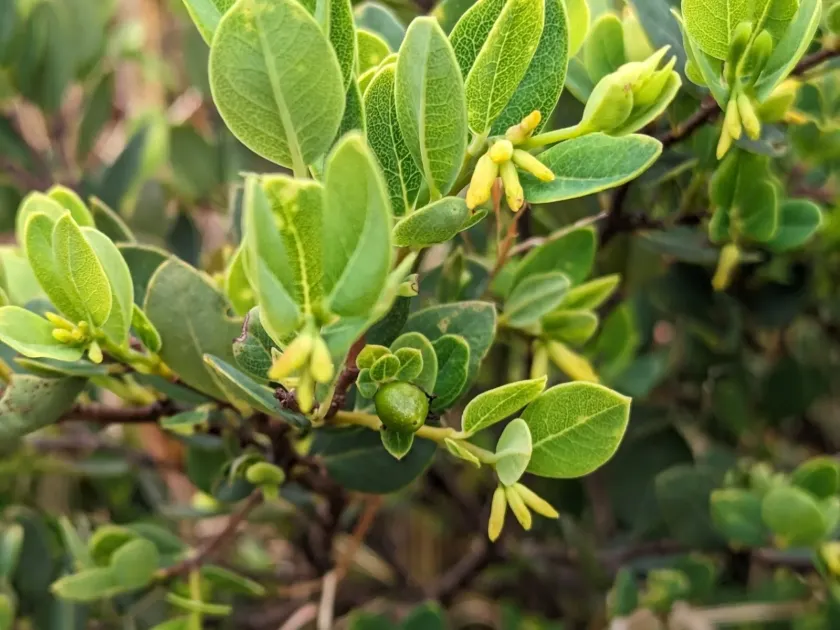
Description
Growing requirements
Wikstroemia phillyreifolia is a notable species within the Thymelaeaceae family. This perennial shrub has evolved to survive in rugged, island-based environments, displaying high adaptability to specific soil types and temperature ranges.
Native to the Hawaiian archipelago, the plant is typically found in dry to mesic forests. It has adapted to volcanic soil structures that offer excellent drainage, which is a critical factor for healthy root development in domestic cultivation.
The plant thrives in full sun exposure, which is necessary to maintain its structural integrity and fiber quality. Soil composition should be porous and allow for aeration, preventing the compacting issues often seen in heavy clay soils.
Temperature management is essential for Wikstroemia. Being a tropical plant, it does not tolerate frost and requires a consistent climate to maintain its metabolic activities. It prefers areas with stable, warm conditions year-round.
Agricultural techniques involve careful pruning to stimulate healthy growth of new bark, which is the primary value of this shrub. Monitoring soil salinity and pH levels is also recommended to ensure optimal nutrient uptake for the plant.
Harvesting
The economic value of Wikstroemia phillyreifolia is primarily linked to its fiber properties. Historically, the bast fibers of this species were harvested for specialized artisanal crafts and the production of durable paper-like materials.