
Indian string bush
Wikstroemia indica
Description
Growing requirements
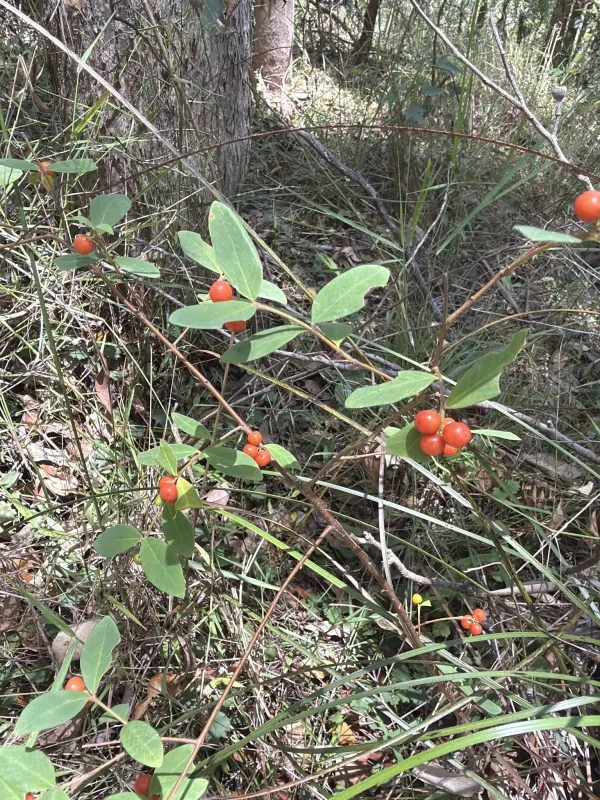
Indian string bush (Wikstroemia indica) is a distinctive perennial shrub belonging to the Thymelaeaceae family. It is recognized for its slender, flexible branches and dark green foliage, which are adapted to the humid conditions of its native Asian habitat.
The plant originates from the tropical and subtropical regions of Southeast Asia and China. It thrives in environments characterized by warm temperatures and consistent rainfall, often found in open forests or along mountainous slopes where soil moisture is adequate.
Agronomic success with this species requires well-draining, fertile soils. While it is adaptable to various soil types, organic-rich loams that provide consistent moisture without waterlogging are preferred to ensure healthy fiber development in the stems.
Regarding climate, the plant requires a frost-free environment to maintain its evergreen foliage. It performs best in partial to full sunlight exposure, though protection from intense afternoon heat is advisable in peak summer months to prevent dehydration of the young canopy.
The primary economic value of Wikstroemia indica lies in its bark, which contains long, strong fibers used traditionally for high-quality paper making. Additionally, the plant contains compounds studied for their medicinal potential in traditional therapeutic practices.
Main diseases and pests
The crop is vulnerable to soil-borne pathogens such as Pythium and Rhizoctonia, especially in nurseries where drainage might be insufficient. Proper soil management and the use of sterile growing media are critical to preventing these diseases.
Pest issues often involve sap-sucking insects like aphids and whiteflies, which can lead to stunted growth. Regular monitoring and the application of appropriate biological controls are recommended to maintain plant vigor throughout the growing season.