
Wikstroemia chamaedaphne
Wikstroemia chamaedaphne
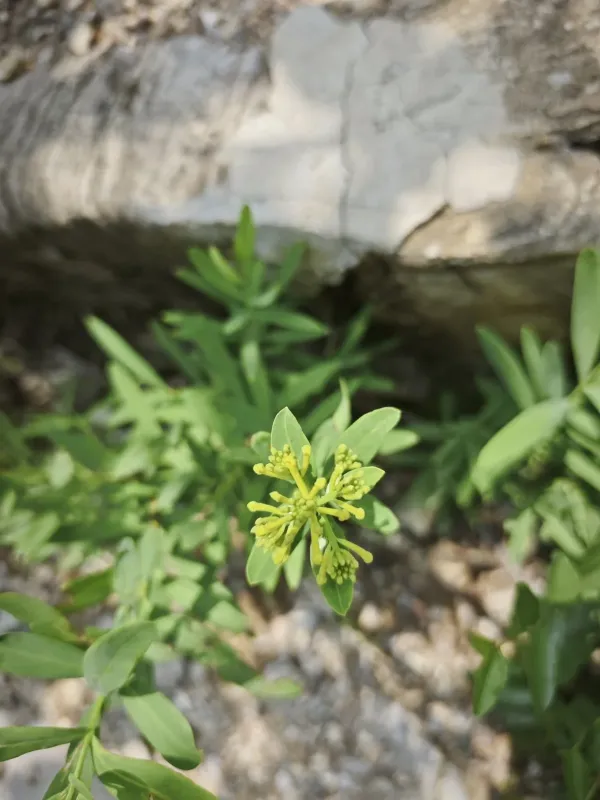
Description
Growing requirements
Wikstroemia chamaedaphne is a woody shrub belonging to the Thymelaeaceae family. It is recognized for its ecological value and its traditional role in herbal applications within its native Asian habitats.
The plant thrives in well-drained, fertile soil with a slightly acidic to neutral pH level. Proper site selection is critical, as the roots do not tolerate waterlogged conditions which often lead to decay.
Regarding light requirements, this species prefers dappled sunlight. Excess exposure to intense, direct midday sun can result in leaf scorching and stress the vegetative development of the plant.
Climatic conditions for this crop should ideally provide moderate humidity and temperate warmth. It is essential to protect young plants from cold, dry winds to ensure steady annual growth.
Agricultural management includes balanced fertilization during the primary growth phase and periodic structural pruning. These practices improve air circulation within the shrub canopy and increase overall biomass yield.
Main diseases and pests
Common pathological threats include fungal infections such as powdery mildew, which thrive in stagnant, humid environments where air circulation is restricted.
Root system disorders, including various forms of rot, are the most significant threats to the survival of the plant, usually caused by improper irrigation management or poor soil drainage.
Pest populations typically include aphids and spider mites. These insects target young foliage and stems, potentially reducing the plant's vigor and its medicinal quality.
Integrated Pest Management (IPM) strategies are highly recommended, focusing on early detection and the use of natural predators or targeted organic treatments when possible.
Maintaining a clean cultivation area and removing weed competition are essential practices to ensure the plant remains resilient against potential outbreaks of diseases and pests.