
Peperomia argyreia
Peperomia argyreia (Miq.) E. Morren
Description
Growing requirements
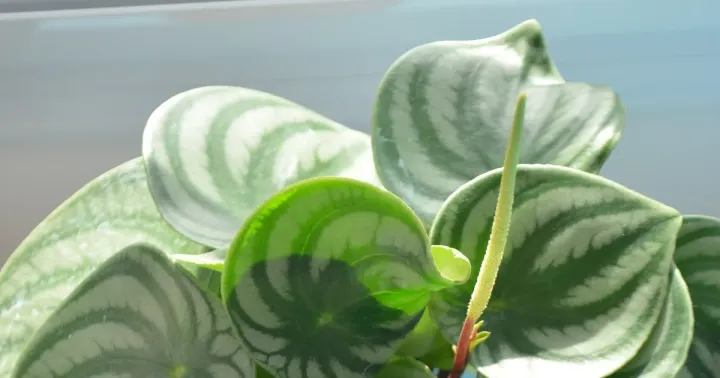
Peperomia argyreia, belonging to the Piperaceae family, is a tropical perennial plant native to the rainforests of Brazil. It is widely cultivated for its ornamental value, characterized by striking silver-striped leaves that resemble the rind of a watermelon.
The crop thrives in a controlled climate with temperatures ranging from +20°C to +25°C. Being a native to the understory of tropical forests, it requires protection from direct solar radiation, which can lead to leaf scorch and loss of variegation.
Soil requirements are strictly defined by the need for high aeration and rapid drainage. An ideal substrate for commercial production is a mixture of peat moss, perlite, and pine bark, ensuring a pH level between 5.5 and 6.5 for optimal nutrient uptake.
Water management is critical for this species. Producers must maintain a moist but not waterlogged growing medium to prevent hypoxic conditions at the roots. Overwatering is the most common cause of crop loss in professional greenhouse settings.
Fertilization should be consistent during the active growing season, utilizing a balanced liquid fertilizer at half the recommended strength to avoid salt accumulation in the substrate, which can damage the delicate root system.
Main diseases and pests
The most significant agronomic threats to Peperomia argyreia are root rot pathogens, specifically Phytophthora and Pythium species. These fungi proliferate in saturated media, leading to rapid tissue decay and plant mortality.
Pest pressures include mealybugs, which are notorious for infesting the leaf axils. Their feeding leads to stunted growth and the production of honeydew, which serves as a substrate for secondary sooty mold infections.
Spider mites represent a major challenge in dry atmospheric conditions. These pests pierce the leaf epidermis, causing chlorotic stippling that ruins the aesthetic and market value of the crop.
Biological control agents, such as predatory mites, are frequently employed in greenhouse integrated pest management programs to reduce reliance on chemical insecticides and ensure product safety.
Strict sanitation protocols, including the sterilization of tools and the use of pathogen-free propagation material, remain the primary defense against the transmission of viral and bacterial diseases within a production facility.