
Peperomia albovittata
Peperomia albovittata C. DC.
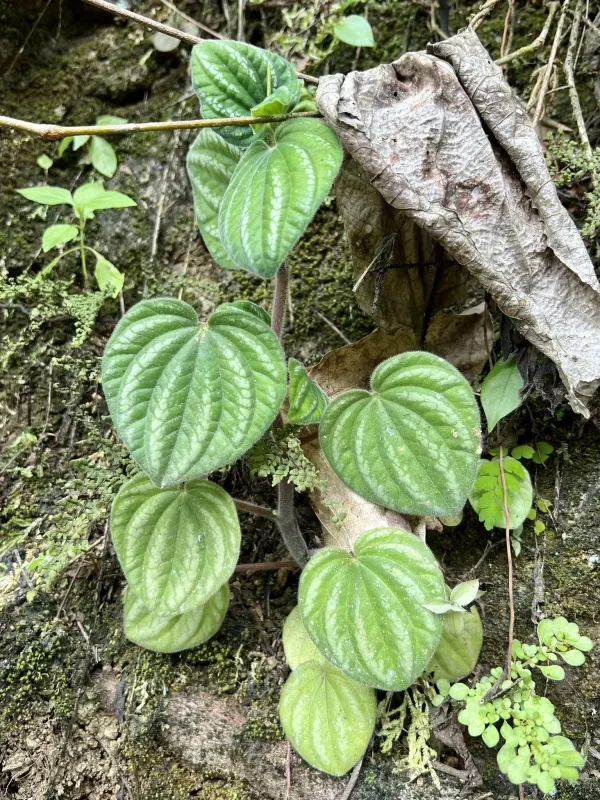
Description
Growing requirements
Peperomia albovittata, a member of the Piperaceae family, is a distinct species native to the tropical forests of Ecuador and Peru. This perennial plant is highly valued by indoor gardeners for its striking foliage, which features deep veins and a unique metallic sheen.
The plant thrives in bright, indirect light. Direct sunlight can scorch its tender leaves, while insufficient light may result in a loss of its characteristic coloration. It is best suited for placement near east or west-facing windows where it can receive consistent, soft light.
Temperature requirements are consistent with tropical species: it performs best in a range of +20°C to +25°C. It is highly sensitive to cold drafts and temperatures dropping below +16°C, which can cause significant stress or even plant failure.
For optimal growth, use a well-draining, loose potting mix. A combination of peat moss, perlite, and potting soil works well to ensure proper aeration for the root system. A drainage layer at the bottom of the pot is essential to avoid water accumulation.
Watering should be managed with caution. Allow the top inch of the soil to dry out completely between waterings. Overwatering is the most common mistake and frequently leads to root rot, which is the primary cause of decline for this indoor crop.
Main diseases and pests
The most common pests affecting Peperomia albovittata are mealybugs and spider mites. These pests thrive in dry indoor environments and target the plant’s foliage, causing yellowing, deformation, and an overall lack of vitality in the plant.
Fungal diseases, particularly root rot, pose the greatest threat to plant health. This usually occurs when the soil remains consistently damp, allowing pathogens to compromise the root system, which eventually reflects in the plant's stunted growth and wilted appearance.
To keep the plant healthy, regular monitoring for pests is advised. If infestations occur, gently cleaning the leaves with insecticidal soap or neem oil is often sufficient, provided the infestation is addressed at an early stage.
Proper airflow is crucial for disease prevention. Ensuring that the plant is not overcrowded with other foliage helps in maintaining an appropriate microclimate, reducing the likelihood of fungal outbreaks and moisture buildup.
By strictly following a dry-cycle irrigation schedule, owners can effectively mitigate most fungal risks. In cases of severe infection, it is vital to repot the plant in fresh soil, removing any decaying roots before resetting it into a clean pot.